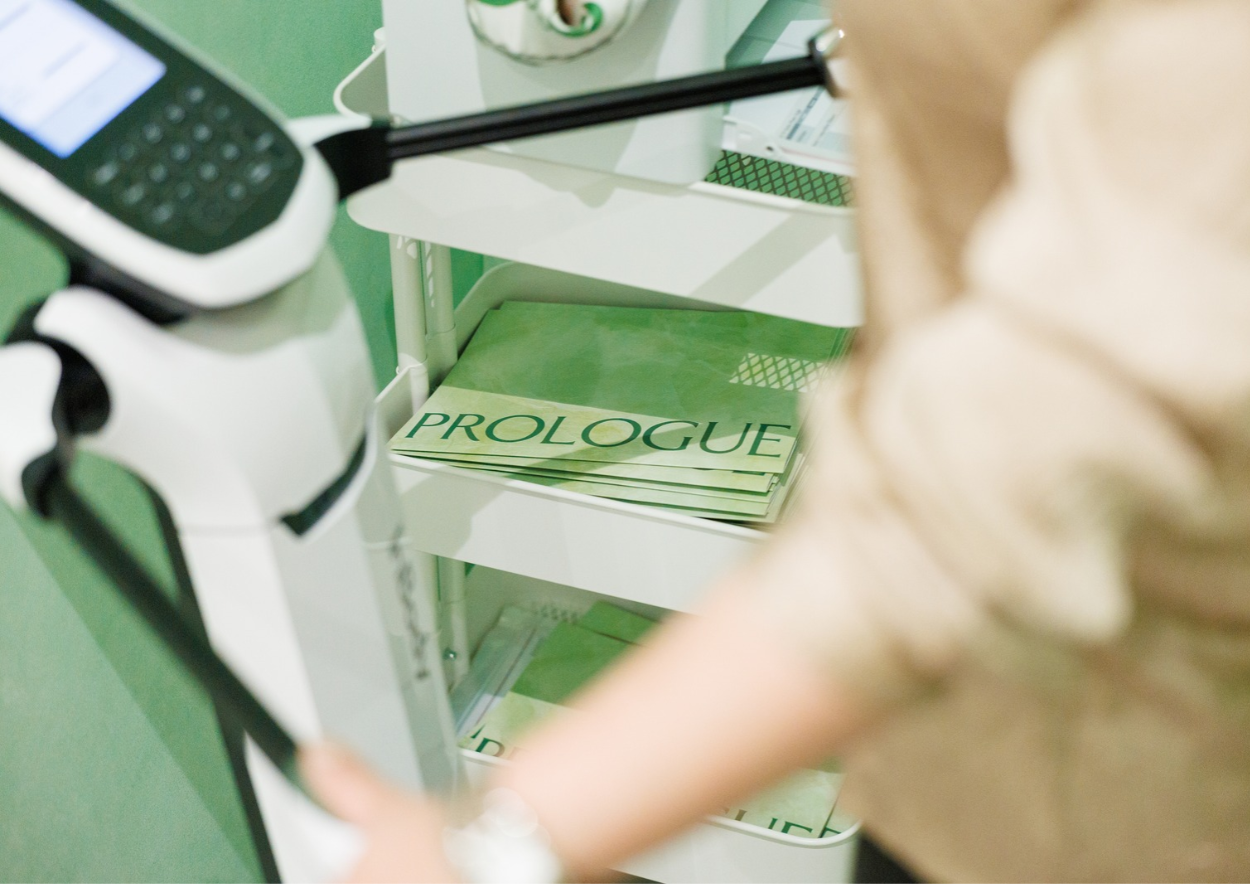


Understanding body composition is an important step towards more personalised and effective health management. At Prologue The Lifestyle Medical Clinic, this approach forms part of its commitment to supporting women through different stages of life, from fertility and postpartum recovery to perimenopause and weight management.
Recognising that women’s health needs can change over time, Prologue Clinic adopts a holistic approach that combines clinical expertise, health assessments and personalised care to help clients better understand their bodies.
We spoke with Shonia Ng, Clinic Manager at Prologue Clinic, to learn how InBody body composition analysis complements their existing assessments and helps clients monitor their progress beyond the number on the weighing scale.


Understanding Women’s Health Beyond Body Weight
Women’s bodies undergo various physiological changes throughout life, influenced by factors such as hormonal fluctuations, lifestyle, stress and ageing. These changes can affect body fat distribution, muscle mass and fluid balance, making body weight alone an insufficient indicator of overall health.
At Prologue Clinic, understanding these changes is an important part of providing personalised care.
“Our assessments are holistic, and this starts with understanding your body,” Shonia shared.
By incorporating InBody body composition analysis alongside blood tests, lifestyle assessments and clinical consultations, Prologue Clinic is able to gain a more comprehensive understanding of each client’s health.
While blood tests provide insights into internal health markers, InBody offers objective measurements of body composition, including muscle mass, body fat and body water distribution.
Together, these assessments help the clinical team better understand how factors such as stress, diet and hormonal changes may be reflected in the body, supporting a more individualised approach to women’s health management.
Looking Beyond Weight for More Effective Weight Management
For individuals undergoing weight management, changes in body weight do not always reflect changes in body composition. A reduction in weight, for example, does not necessarily indicate fat loss, while a stable weight may still be accompanied by improvements in muscle mass and body fat.
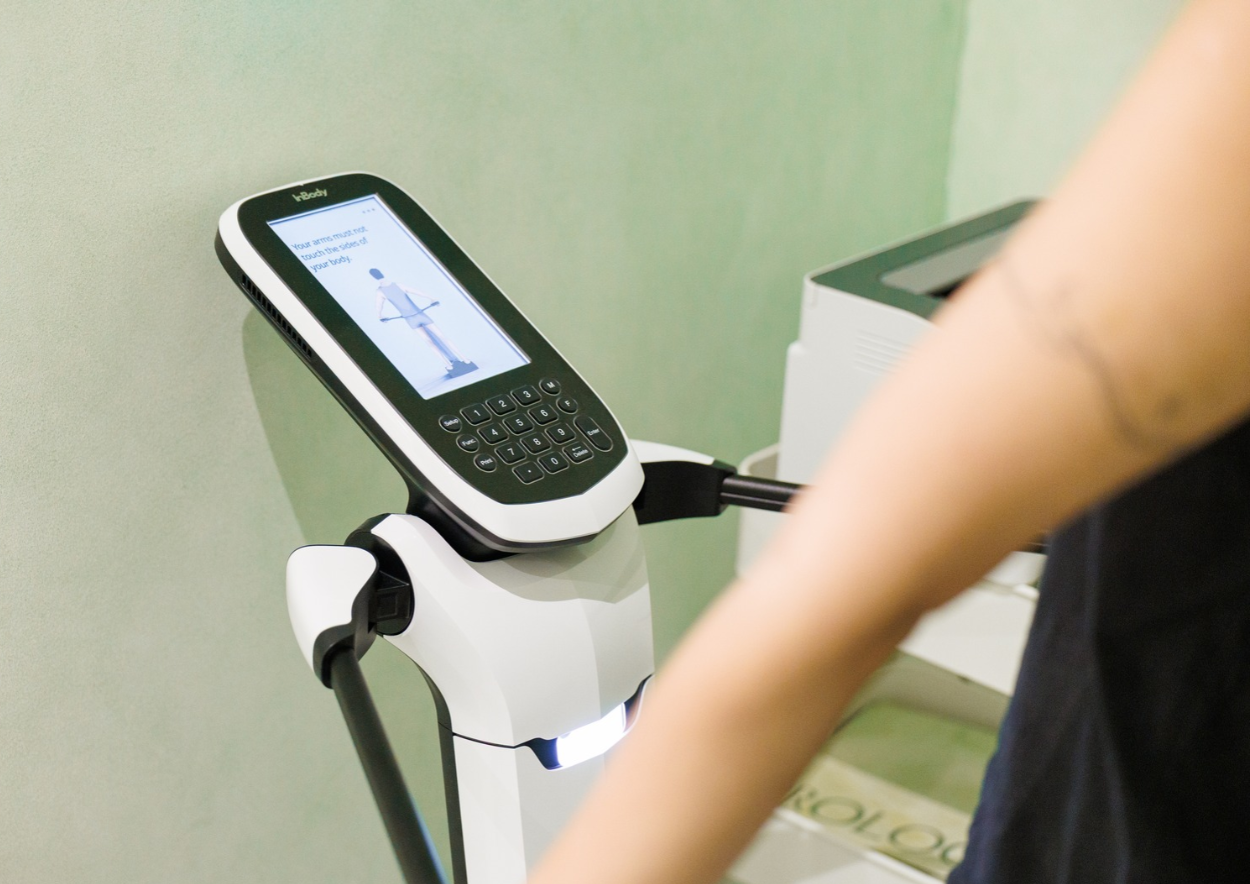
At Prologue Clinic, InBody helps the clinical team look beyond these numbers by providing a more detailed understanding of each client’s body composition.
“At Prologue, we use the InBody380 to look beyond just weight,” Shonia explained.
Some of the key InBody parameters used at Prologue Clinic include:
- Skeletal Muscle Mass (SMM): Helps monitor muscle mass throughout the weight management journey, supporting efforts to preserve muscle while reducing body fat.
- Body Fat Mass and Percent Body Fat (PBF): Provide a clearer understanding of body fat levels and changes over time.
- Visceral Fat Level (VFL): Helps assess fat accumulation around the abdominal organs, an important consideration in metabolic health.
- Extracellular Water Ratio (ECW Ratio): Provides insight into fluid distribution. An elevated ECW ratio may reflect extracellular fluid excess associated with obesity, inflammation, or comorbidities, or reduced intracellular water linked to lower muscle mass.
- Phase Angle: Provides insights into cellular health and nutritional status and ensuring clients are not just losing weight, but staying healthy at the cellular level
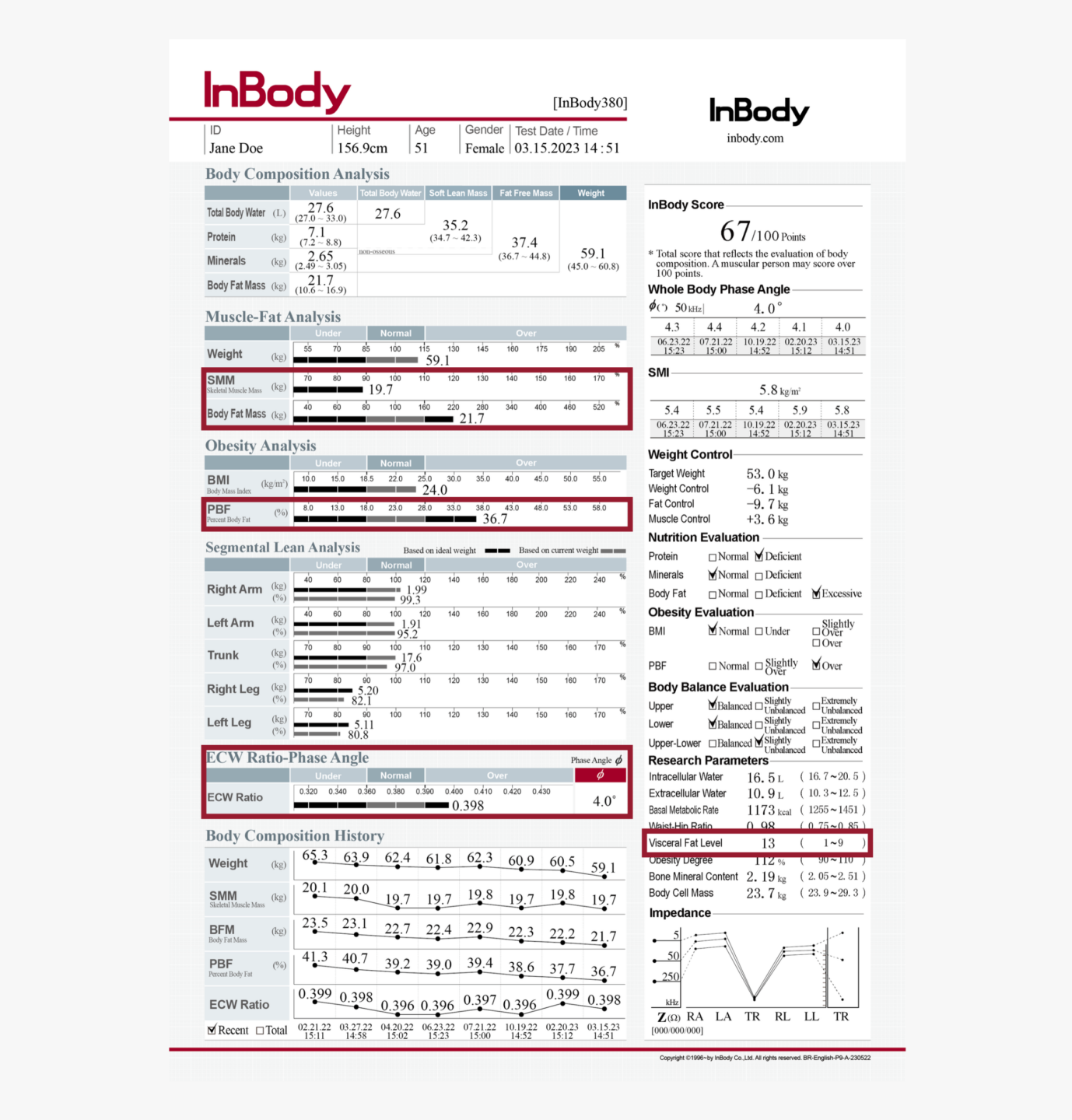 These measurements allow the team to monitor more than weight reduction alone, helping them evaluate changes in fat, muscle and body water throughout the client’s programme.
💡 In particular, monitoring muscle mass and body fat together is valuable in weight management, as it helps the clinical team assess whether clients are making progress towards healthier body composition rather than simply achieving a lower number on the scale.
Turning Measurable Progress into Motivation
One of the most meaningful benefits of incorporating InBody at Prologue Clinic is the impact it has on how clients perceive their progress.
For many individuals, the number on the weighing scale can become the main measure of success. When that number remains unchanged, it can be discouraging, even when positive changes are taking place within the body.
InBody helps provide a different perspective.
“Even if the number on the weighing scale stays the same, seeing improvements in body fat or muscle keeps clients motivated,” Shonia shared.
By reviewing their InBody results, clients can better understand how everyday choices, including physical activity and dietary habits, contribute to measurable changes in body composition.
For example, a client may notice a reduction in body fat alongside an improvement in muscle mass, even when their overall body weight remains relatively stable.
These insights help clients recognise progress that might otherwise go unnoticed.
As Shonia explained, this awareness creates a shift in mindset, helping clients build confidence and maintain motivation throughout their health journey.
Rather than focusing solely on weight loss, clients begin to appreciate the importance of improving their overall body composition and making sustainable lifestyle changes.

Conclusion: Supporting a More Personalised Approach to Women’s Health with InBody
At Prologue Clinic, InBody body composition analysis serves as a valuable complement to the clinic’s broader health assessments.
By combining objective body composition measurements with blood tests, lifestyle evaluations and clinical expertise, the team can develop a more complete picture of each client’s health and monitor meaningful changes over time.
More importantly, these insights help clients understand that progress is not always reflected by a lower number on the weighing scale.
Through regular monitoring and personalised guidance, Prologue Clinic continues to support women in making informed decisions about their health, recognising improvements and building confidence throughout their wellness journey.
Because meaningful progress is about more than losing weight. It is also about understanding how the body is changing along the way.