
In physiotherapy and rehabilitation, understanding why a patient has difficulty with movement can be just as important as identifying the difficulty itself.
A patient may appear unsteady when walking, struggle to maintain balance or have difficulty returning to normal activities after an injury. However, these challenges may not necessarily come from muscle weakness alone.
Maintaining balance requires several systems to work together. The body must receive sensory information, process changes in its position, respond appropriately and control movement through the muscles and joints.
For physiotherapists, looking at these different factors can provide valuable information when assessing patients and planning rehabilitation.
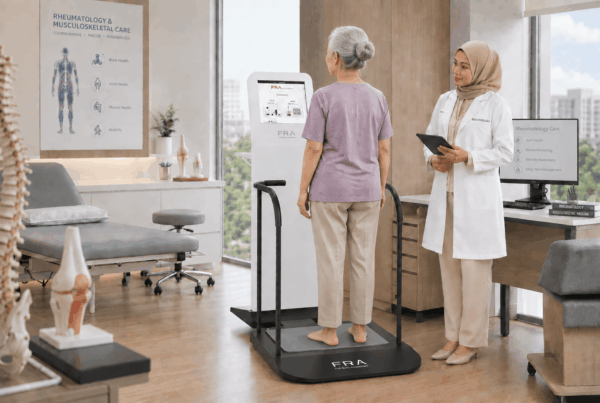
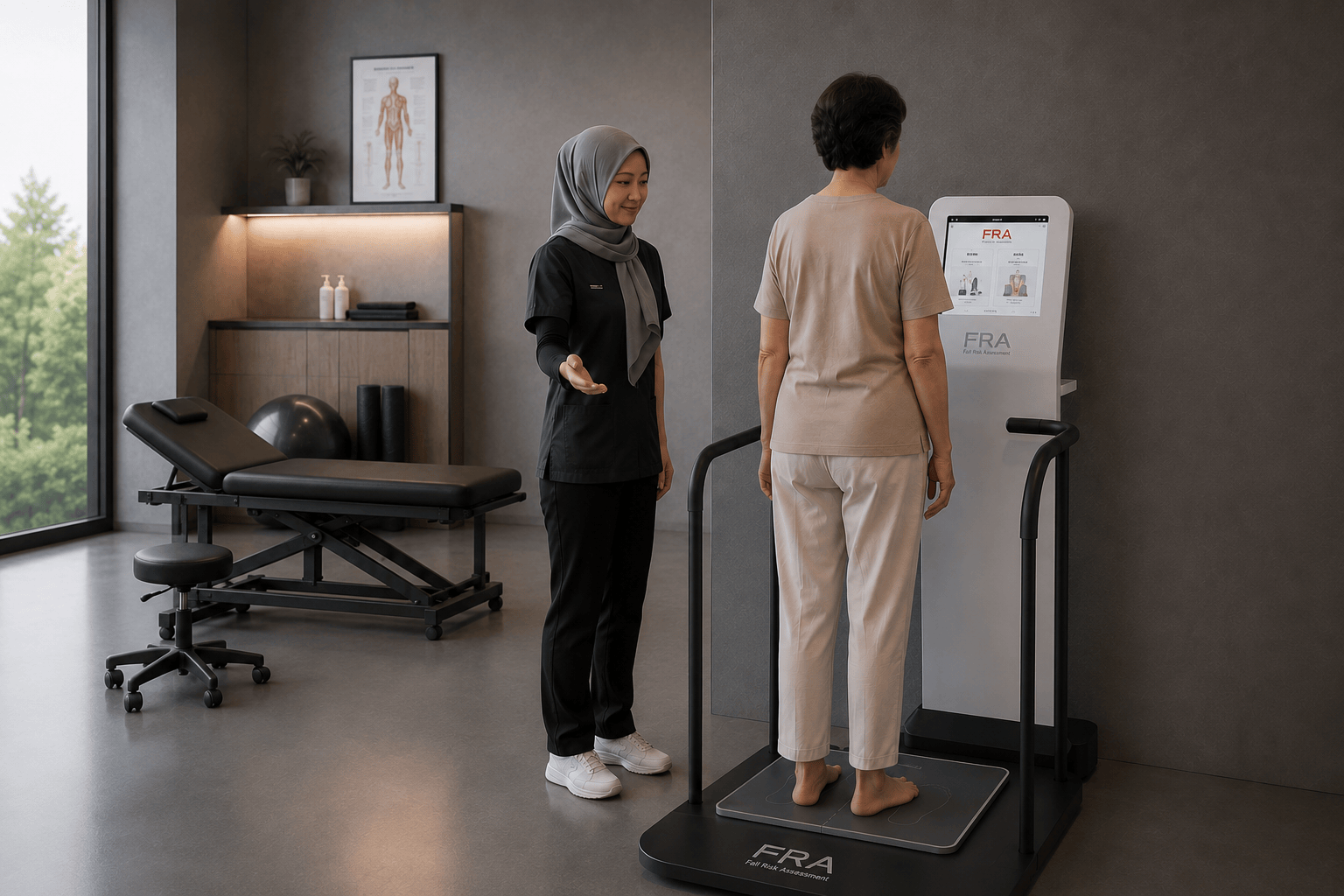
This is where the FRA510S can support physiotherapy and rehabilitation centres by providing objective data on different components of balance ability.
Rather than viewing balance as a single outcome, the FRA510S assesses sensory function, nervous system function, and integrated balance performance, allowing physiotherapists to gain a more comprehensive understanding of a patient’s balance performance and identify areas that may require further assessment or rehabilitation.
Why Is Balance Assessment Important in Physiotherapy?
Balance plays an important role in many activities that patients are working towards during rehabilitation.
Standing independently, walking safely, changing direction, climbing stairs and returning to daily activities all require the ability to maintain and adjust balance.
This makes balance particularly relevant when working with:
- Older adults and individuals at risk of falls
- Patients undergoing post-injury rehabilitation
- Patients recovering from musculoskeletal conditions
- Individuals experiencing reduced mobility or physical function
- Patients undergoing strength and functional rehabilitation
Traditional functional assessments remain valuable for observing how a patient performs a task.
However, knowing that a patient has difficulty maintaining balance does not always explain which component of the balance process may be contributing to that difficulty.
The FRA510S adds another layer of information by breaking balance performance down into measurable components.
What Can the FRA510S Assess?
Rather than looking at balance as a single measurement, the FRA510S evaluates three key areas:
- Sensory System: How effectively the patient uses somatosensory, visual and vestibular information to maintain postural stability.
- Nervous System: How quickly the patient recognises and responds to changes that challenge their stability.
- Integrated Balance Capability: How effectively the patient controls and shifts their centre of gravity to maintain balance during movement.
This helps physiotherapists better understand where a patient’s balance difficulty may be coming from, providing additional information to support rehabilitation planning.
Taking the BLIS Approach Further with FRA510S
Previously, the BLIS approach — Balance, Lower Back, InBody and Strength — provided physiotherapists with a framework for combining functional assessments with objective body composition and strength data.
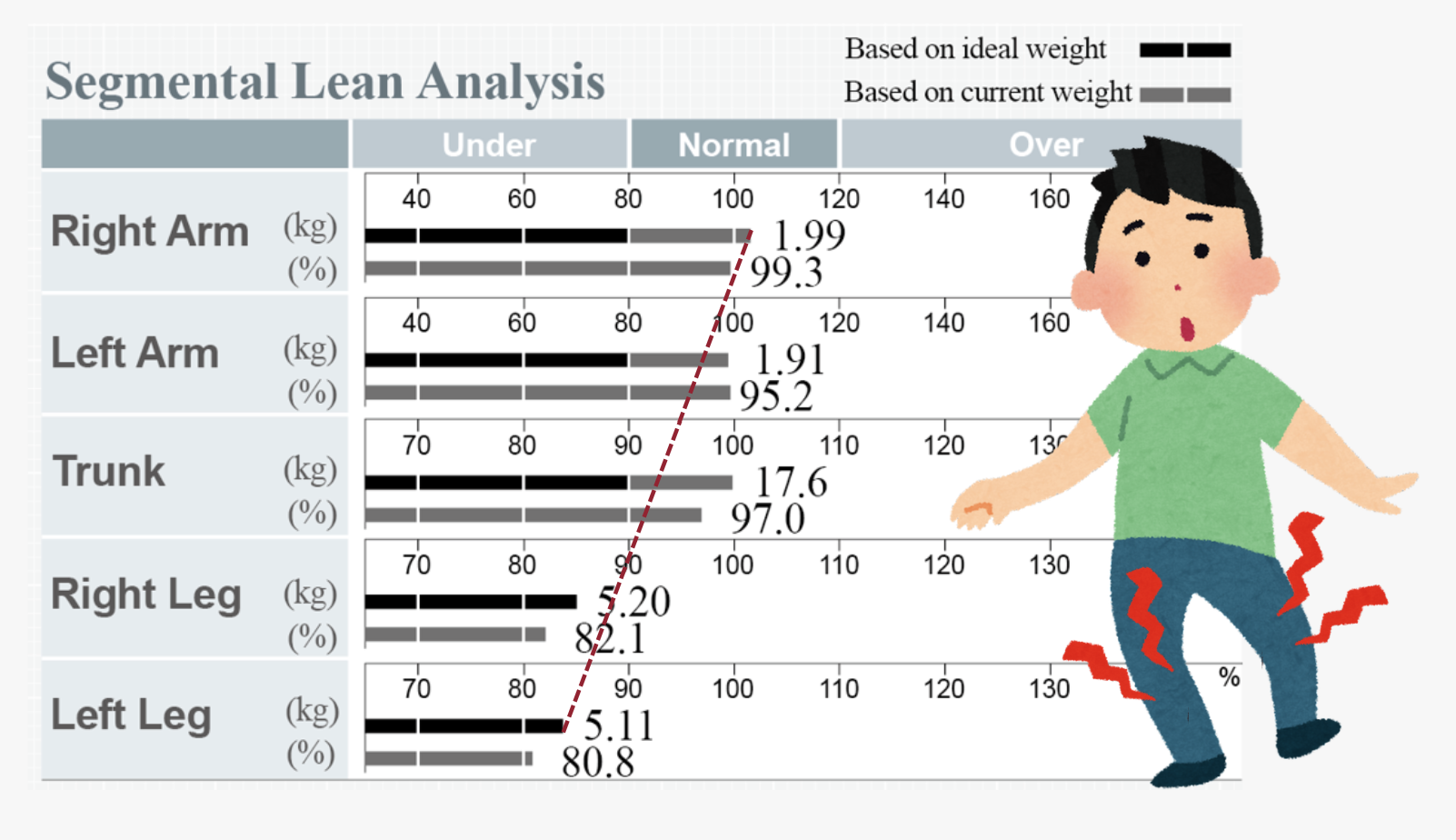
Within the original approach, balance could be evaluated using functional tests alongside InBody Segmental Lean Analysis. Segmental Lean Analysis provides valuable information about muscle distribution and can help identify whether weakness or asymmetry may be associated with stability and movement.
However, muscle condition represents only one part of balance.
A patient may have sufficient leg muscle mass but still experience difficulty maintaining balance due to sensory processing, slower responses or reduced ability to control their centre of gravity.
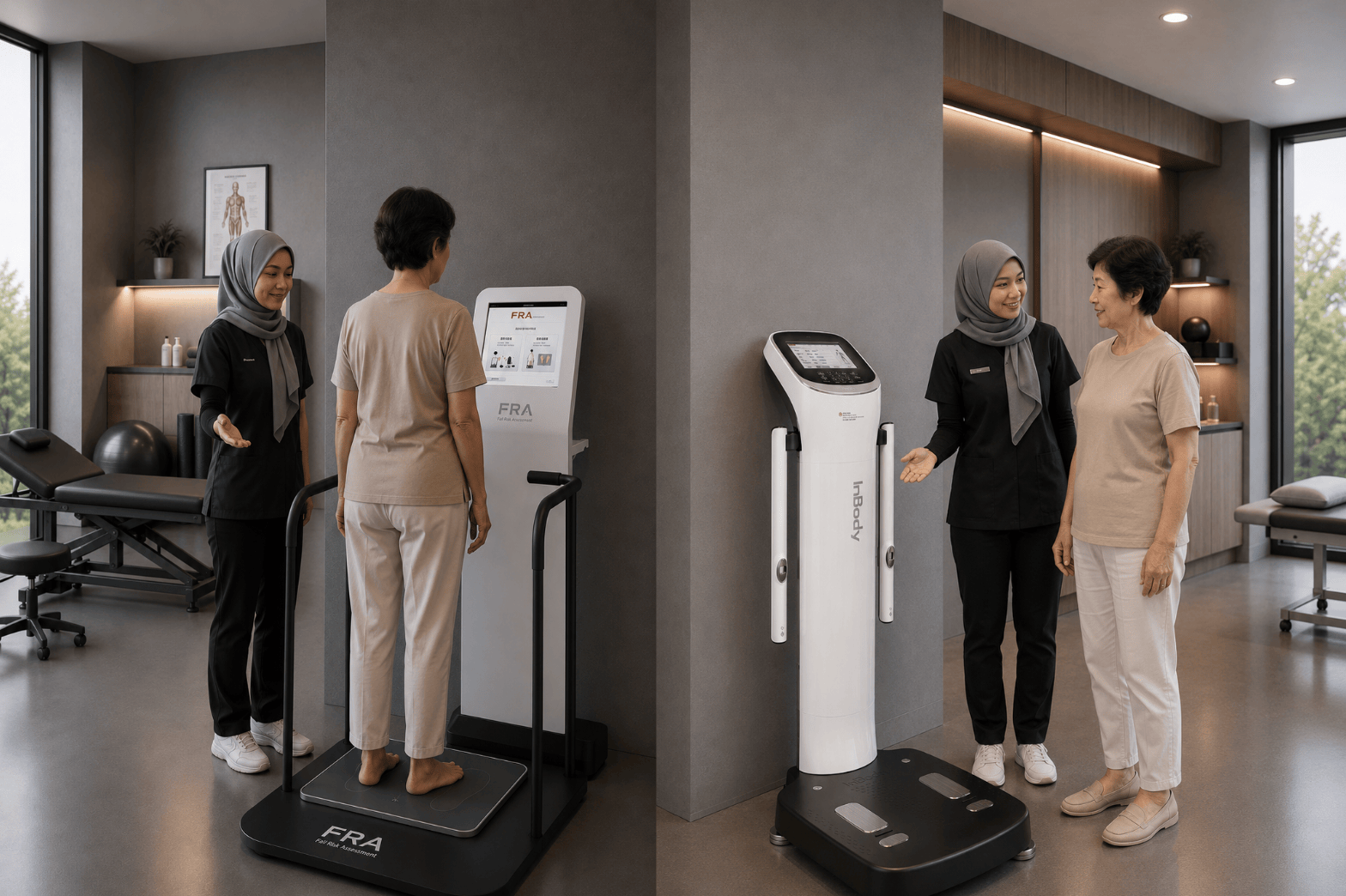
With the FRA510S, the Balance component of BLIS can now be assessed more directly and comprehensively.
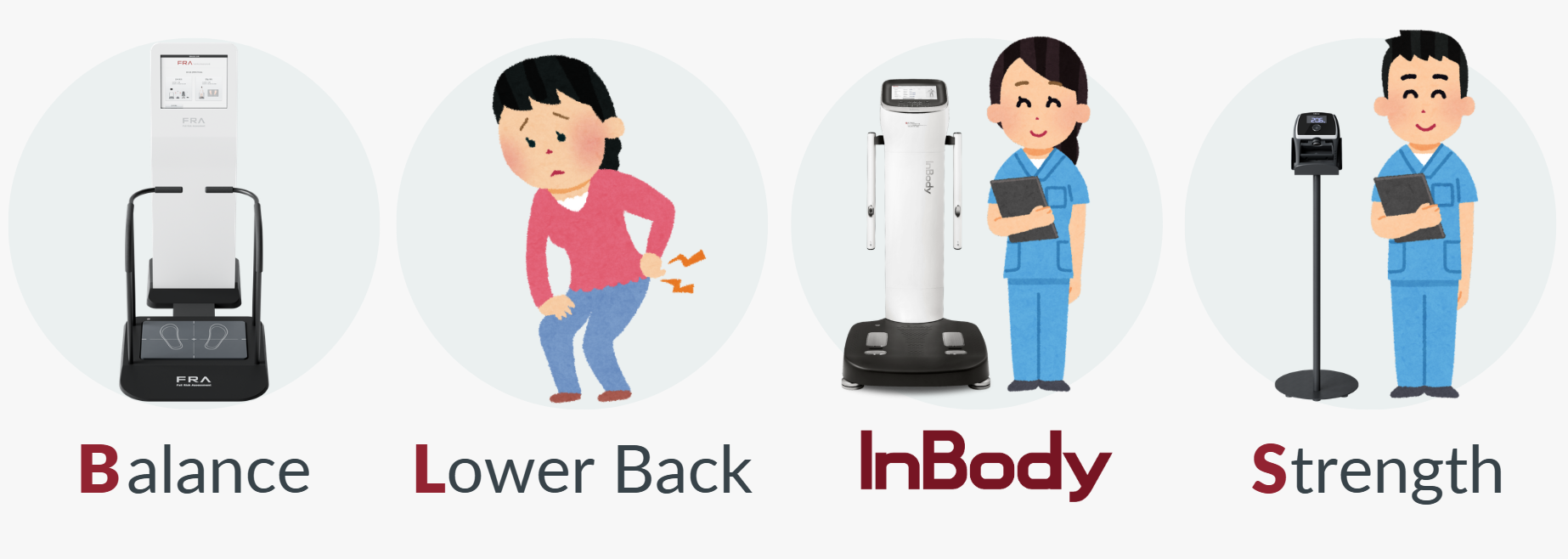
B — Balance: FRA510S
Instead of relying only on functional observation and muscle distribution as supporting information, FRA510S provides objective assessment of:
- Sensory contribution to balance
- Reaction and response
- Centre-of-gravity control
- Integrated balance capability
This allows physiotherapists to investigate balance itself in greater detail.
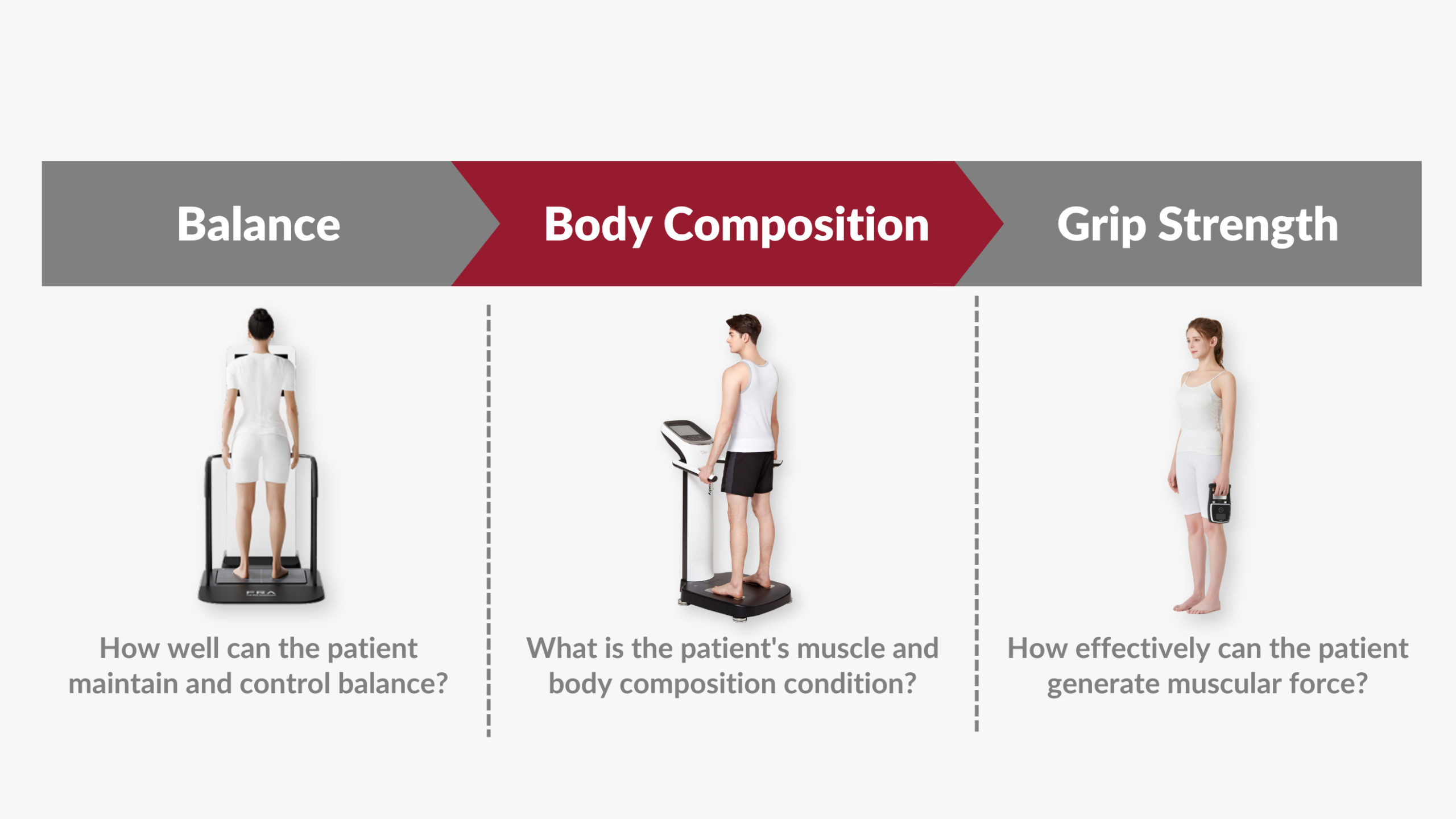 L — Lower Back
Lower-back rehabilitation often involves evaluating the patient’s movement, trunk function and physical condition.
InBody can complement the physiotherapist’s clinical assessment by providing information on trunk lean mass, offering additional context when developing rehabilitation programmes.
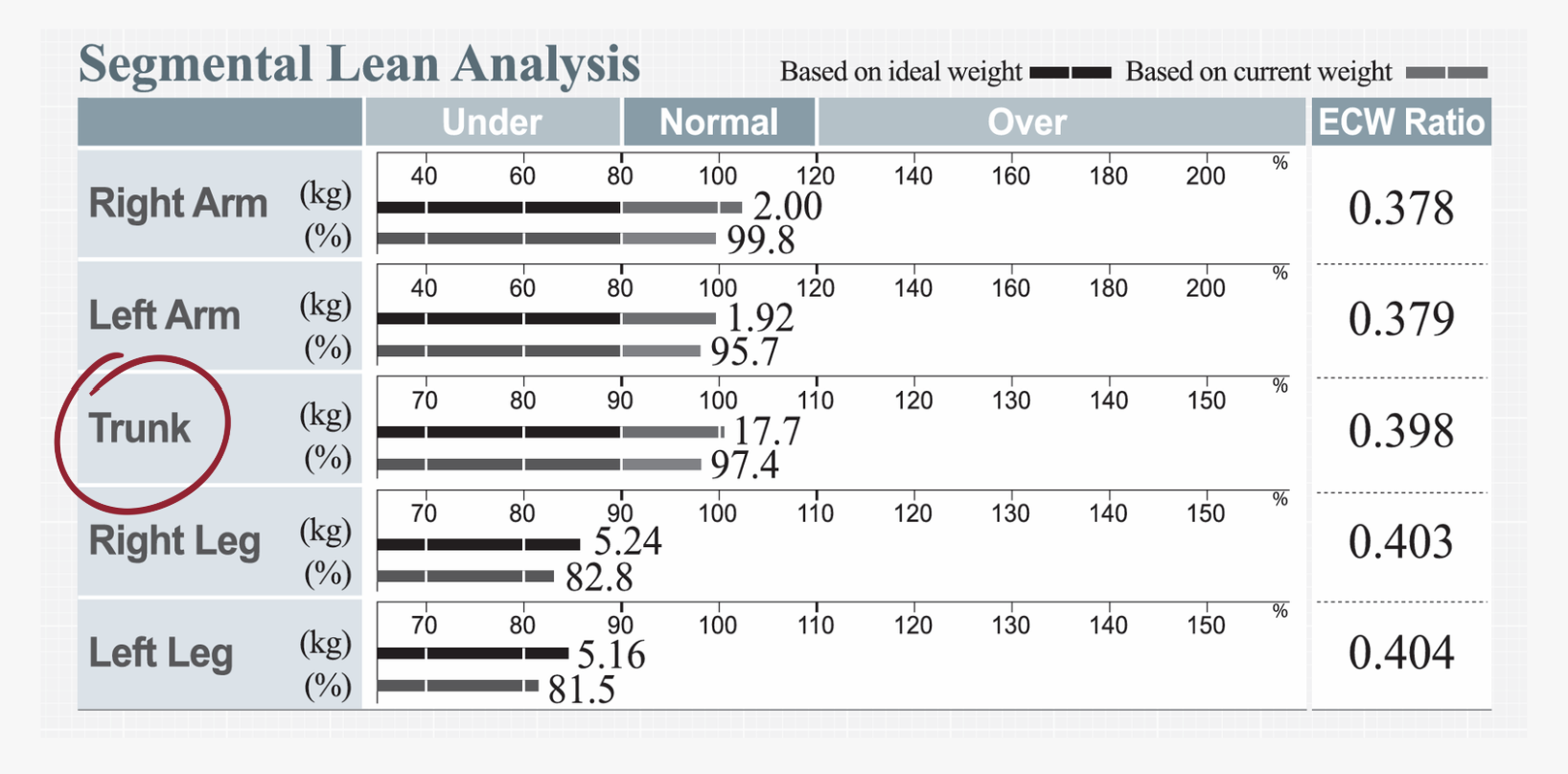
I — InBody
The InBody Result Sheet provides a structured overview of body composition parameters, giving objective data to support assessment and track changes over time.
Measurements such as Segmental Lean Analysis allow physiotherapists to evaluate muscle distribution across the arms, legs and trunk and identify differences between the left and right sides.
This becomes particularly valuable alongside FRA510S.
For example, if a patient demonstrates reduced balance performance, InBody results can provide additional information about whether low leg muscle mass or left-to-right muscle imbalance may also be present.
Rather than assuming that poor balance is caused by muscle weakness, physiotherapists can consider both balance capability and muscle condition when evaluating the patient.
S — Strength
Strength assessment adds the functional muscle component to the overall picture.
InBody can be paired with the InGrip Handgrip Strength Dynamometer or other strength assessments to evaluate muscle function and monitor changes throughout rehabilitation.
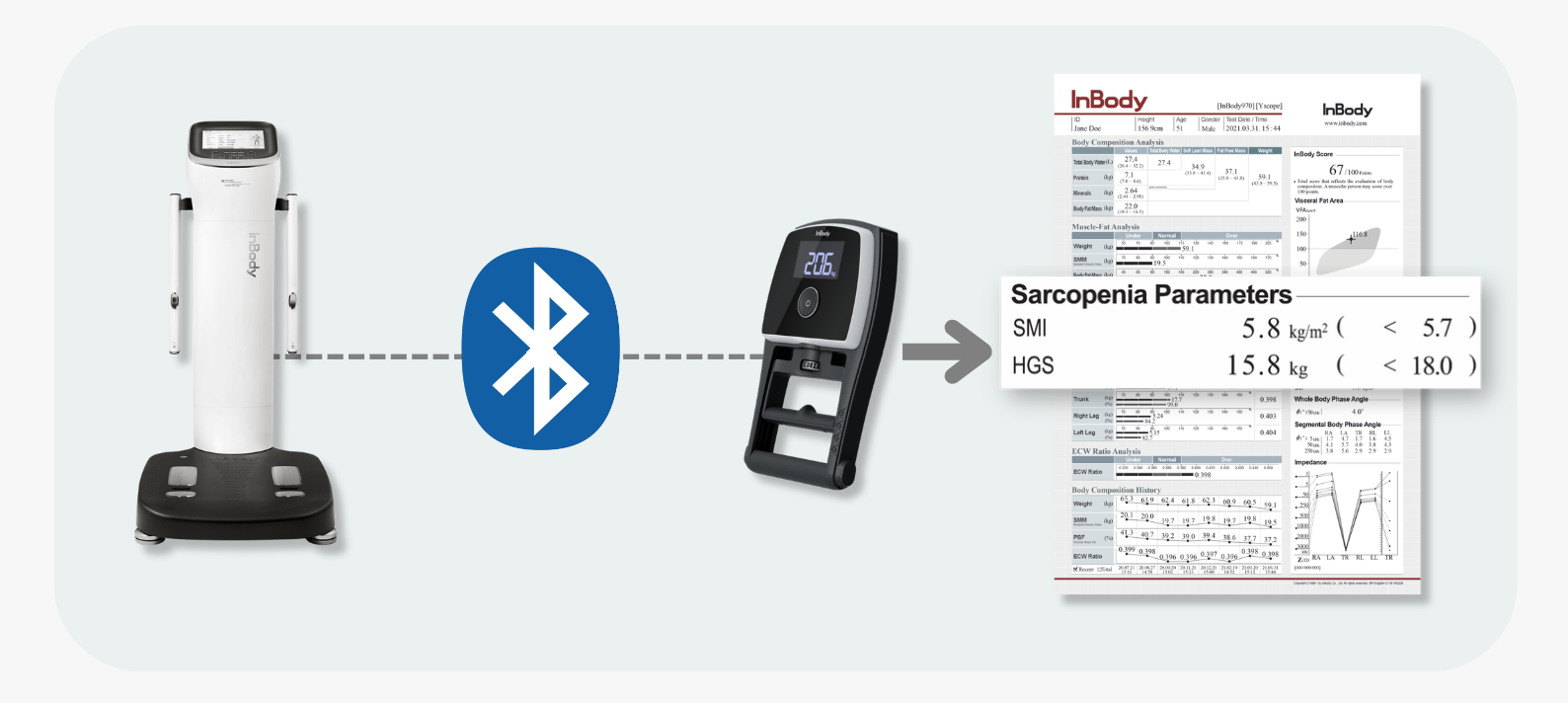
Together, these assessments provide different but complementary information.
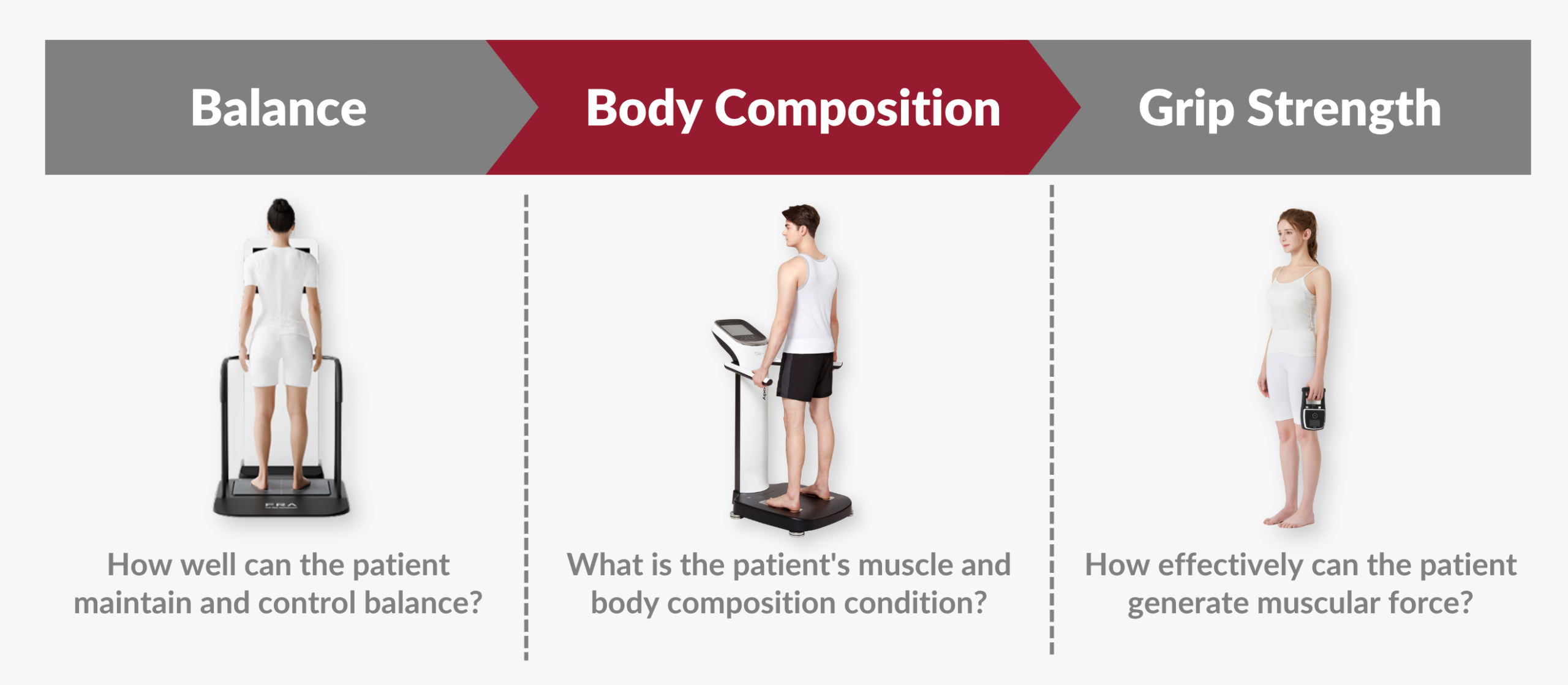 Combined with the physiotherapist’s clinical and functional assessments, this creates a broader view of the patient’s physical condition.
Bringing Better Insights into Rehabilitation
By integrating the FRA510S into the BLIS approach, physiotherapists can look beyond muscle condition and gain a clearer understanding of a patient’s balance capability.
Together with InBody and InGrip handgrip strength assessments, this provides a more complete picture to support personalised rehabilitation, targeted intervention and objective progress monitoring.
With the right assessment tools, rehabilitation can move beyond simply identifying limitations towards understanding them and making every step of recovery more informed.
Integrate the BLIS Approach into your physiotherapy practice. Contact us to learn more! Learn more about FRA510S by reading our blogpost: “Comprehensive Fall Risk Assessment: How FRA510S Supports Fall Prevention.