
Maintaining balance is something we often take for granted.
Whether we are walking, turning, stepping onto an uneven surface or reaching for an object, the body is constantly making small adjustments to help us remain stable.
However, maintaining balance is not simply about having strong legs or being able to stand on one foot.
It is a complex process involving multiple systems working together. Our body needs to receive information about its position and surroundings, process that information, react appropriately and activate the muscles needed to maintain stability.
When one or more of these functions are affected, balance ability may also change.
This is why understanding fall risk requires more than a simple balance test.
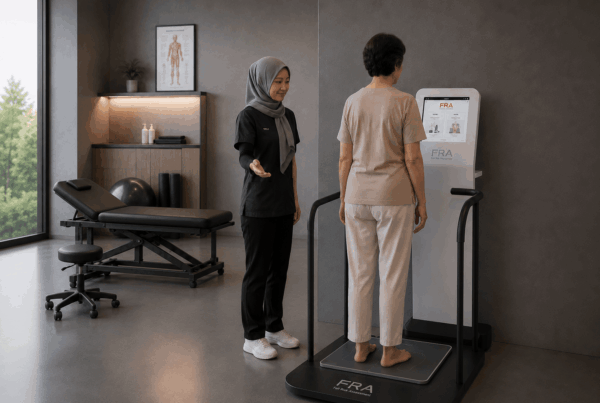
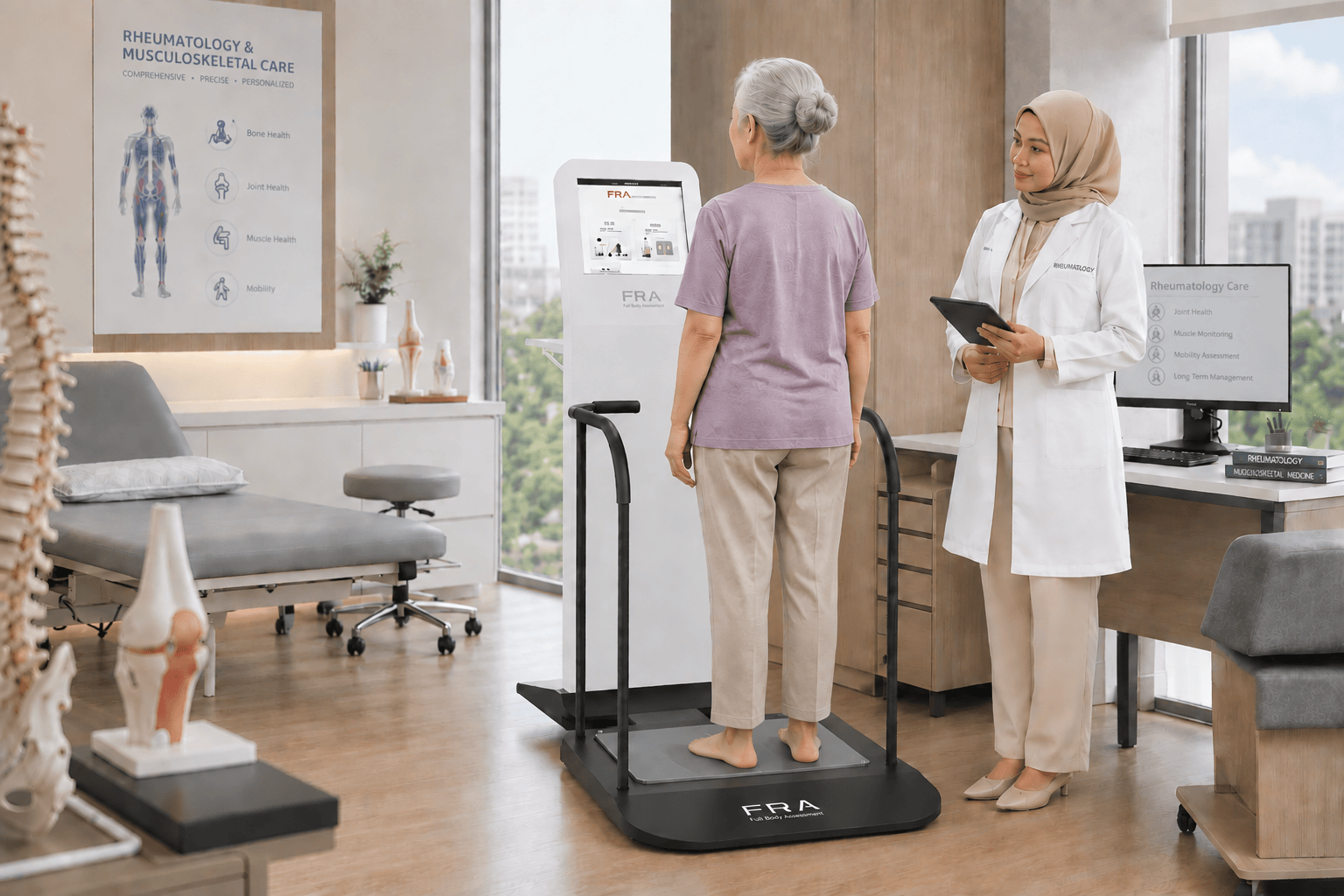
The InBody FRA510S is a multilateral body balance ability analysis system designed to evaluate the different factors involved in maintaining balance. Rather than looking at balance as a single measurement, it analyses the sensory system, nervous system, musculoskeletal system and integrated balance capability to provide a more comprehensive understanding of an individual’s balance ability.
What Does It Take to Maintain Balance?
Every time we move, several systems in the body are working together.
First, the body needs to understand what is happening. Are we standing on a stable surface? Are we moving? Are we leaning to one side?
The brain then needs to process this information and determine how the body should respond.
Finally, the muscles and joints need to carry out that response.
The FRA510S breaks this process down into different areas of analysis, helping healthcare professionals better understand the factors that may affect an individual’s ability to maintain balance.
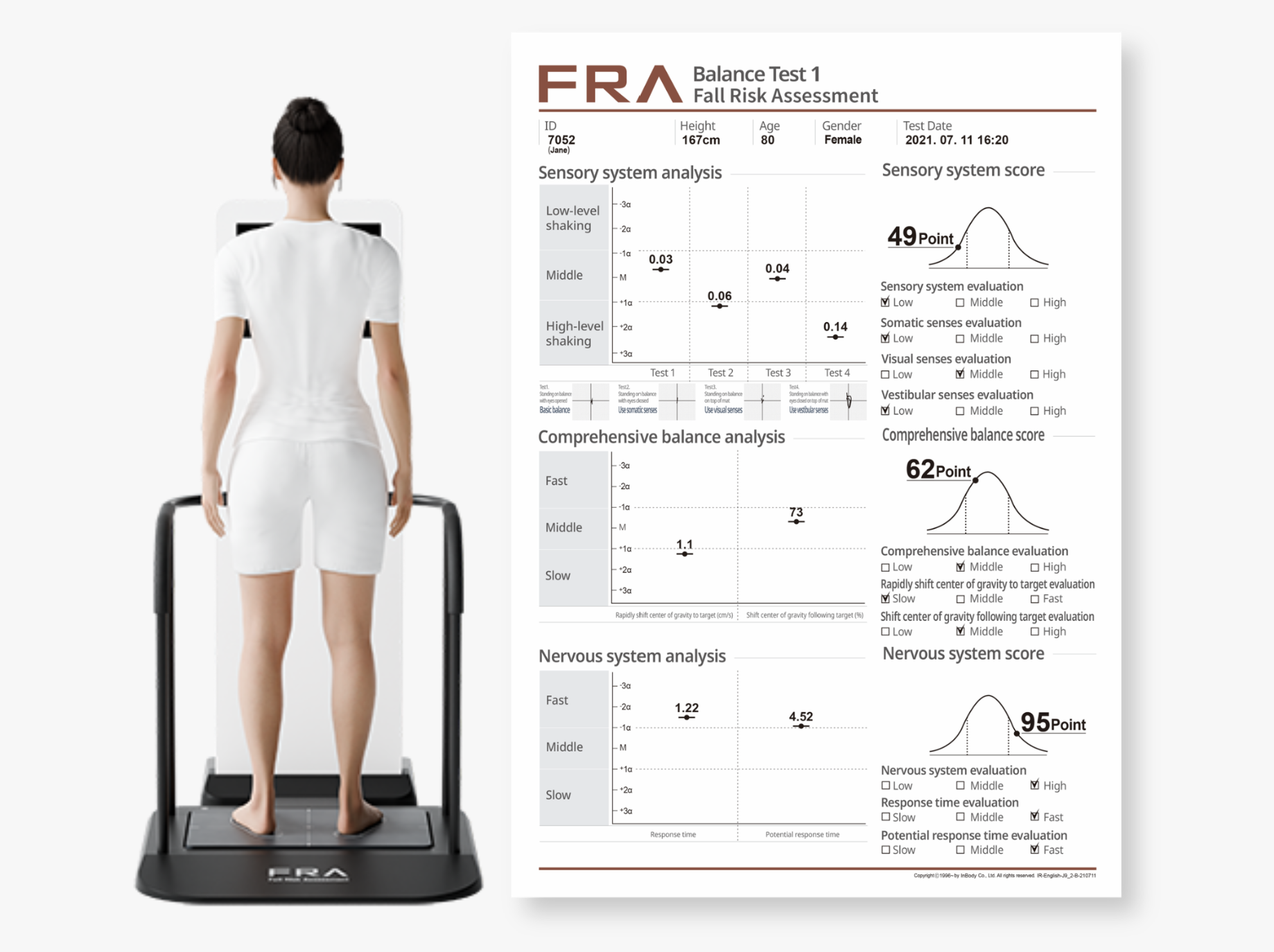
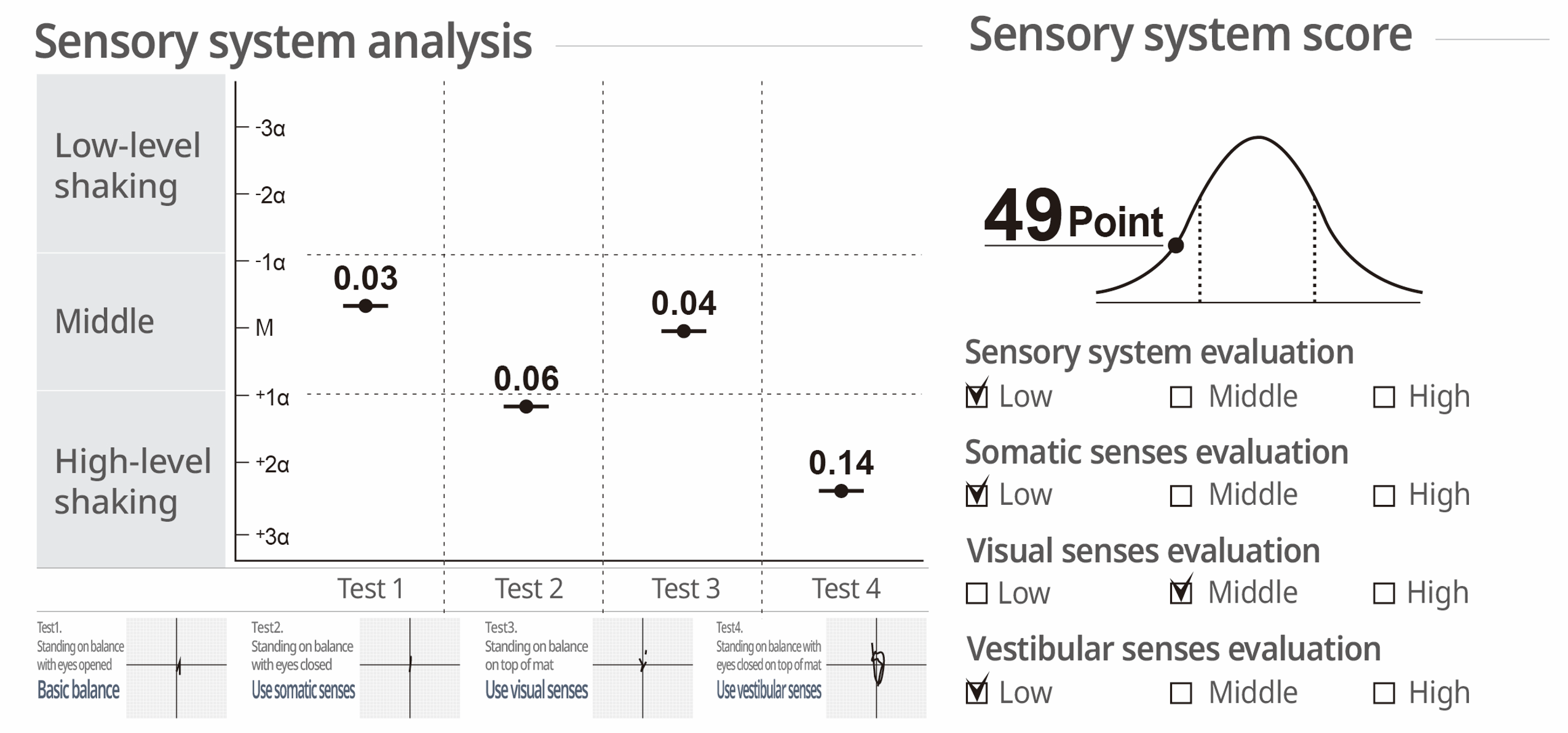
1. Sensory System Analysis: How Does Your Body Understand Its Position?
Before the body can react to a change in balance, it first needs information.
The sensory system plays an important role in providing this information through three main sources: somatosensory, visual and vestibular senses.
Somatosensory Sense
The somatosensory system helps your brain understand where your body is and how it is moving by sensing information from your muscles, joints, skin, and other tissues.
For example, even without looking at your feet, your body can sense whether you are standing, leaning or shifting your weight. Information from the body and contact with the ground helps you understand your position and make adjustments when necessary.
Visual Sense
Vision also contributes to maintaining balance.
Your eyes provide information about your surroundings and help your body understand where it is in relation to the environment. This is one reason why maintaining balance can feel more challenging when your eyes are closed.
Vestibular Sense
The vestibular system is your body’s balance and motion-sensing system. Located in the inner ear, it detects head movement, position, and changes in orientation to help your brain maintain balance and keep your eyes and body stable.
When you turn your head, move quickly or change direction, this system provides important information that helps the body maintain stability.
To assess how the different sensory systems contribute to balance, the FRA510S uses the m-CTSIB (modified Clinical Test of Sensory Interaction on Balance). This test evaluates an individual’s ability to maintain equilibrium under different conditions by changing the availability of visual and somatosensory information. By comparing performance across these conditions, the test helps identify how effectively an individual uses somatosensory, visual and vestibular information to maintain balance.
2. Nervous System Analysis: How Quickly Can the Body Respond?
Receiving information is only the first step.
Imagine stepping onto an uneven surface and suddenly losing your stability. Your body needs to recognise the change, process what is happening and respond quickly.
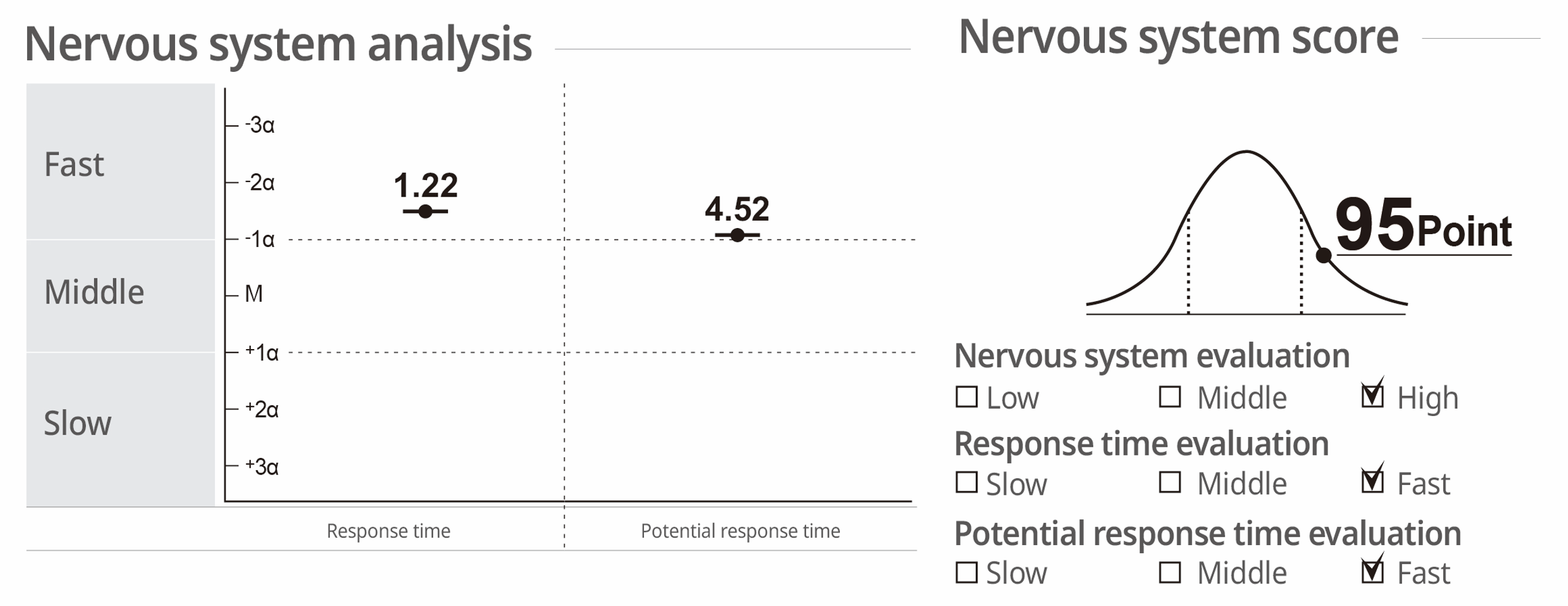
The nervous system is responsible for processing information and coordinating the body’s response.
The FRA510S evaluates reaction time and posture holding time to assess how quickly an individual responds when recognising a situation.
This analysis provides insight into how efficiently an individual can recognise and respond to changes that may challenge their balance.
3. Comprehensive Balance Analysis: How Well Can You Control Your Body During Movement?
The sensory, nervous and musculoskeletal systems do not work independently when maintaining balance.
For example, if you begin to lose your balance, your body must first detect the change through sensory information. The nervous system then processes that information and determines how the body should respond. Finally, the muscles and joints need to carry out the movement required to regain stability.
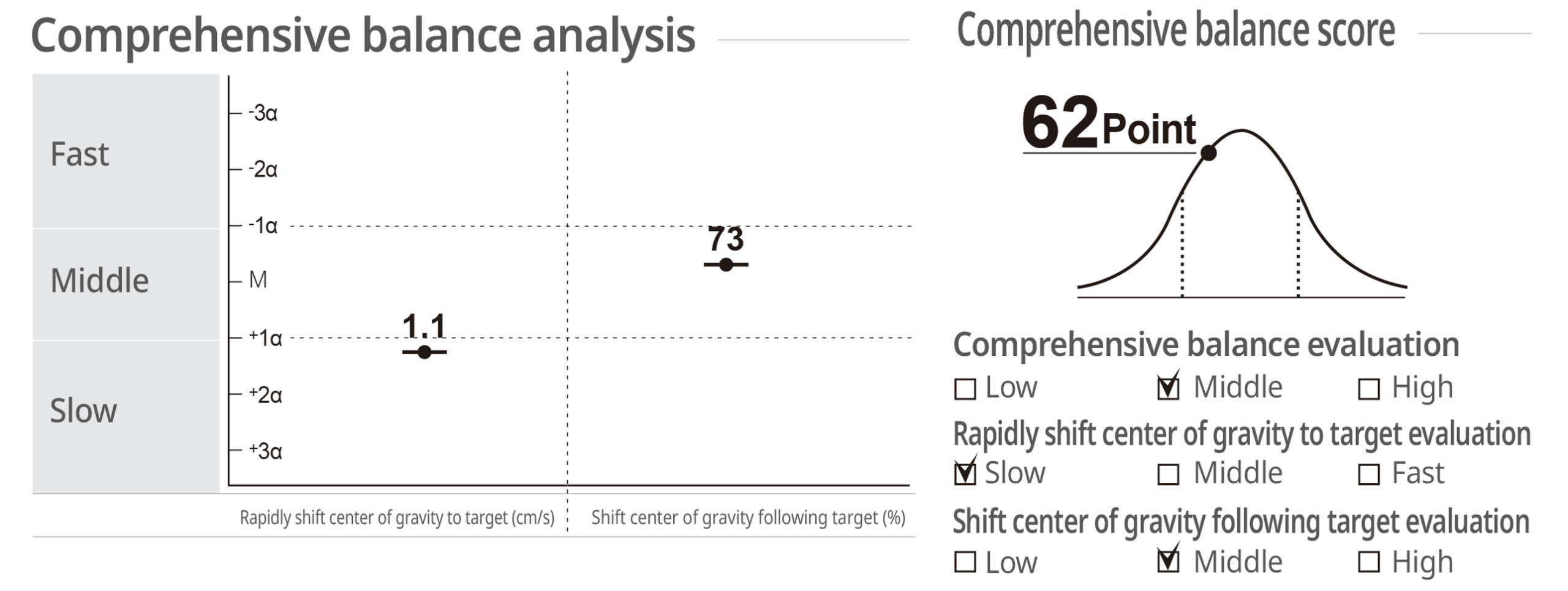
Comprehensive Balance Analysis looks at the result of these processes working together.
The FRA510S evaluates this by assessing how well an individual can control and move their centre of gravity while maintaining balance.
In simple terms, this analysis looks at how effectively a person can shift and control their body weight in response to a task without losing stability.
The results include assessments of how quickly and accurately the centre of gravity can be moved towards a target, providing an indication of overall integrated balance performance.
See the FRA510S Balance Assessment in Action:
From Assessment to Balance Training
Understanding an individual’s balance ability is only the first step. Once potential areas of difficulty are identified, targeted balance exercises can be incorporated into the individual’s care and rehabilitation programme.
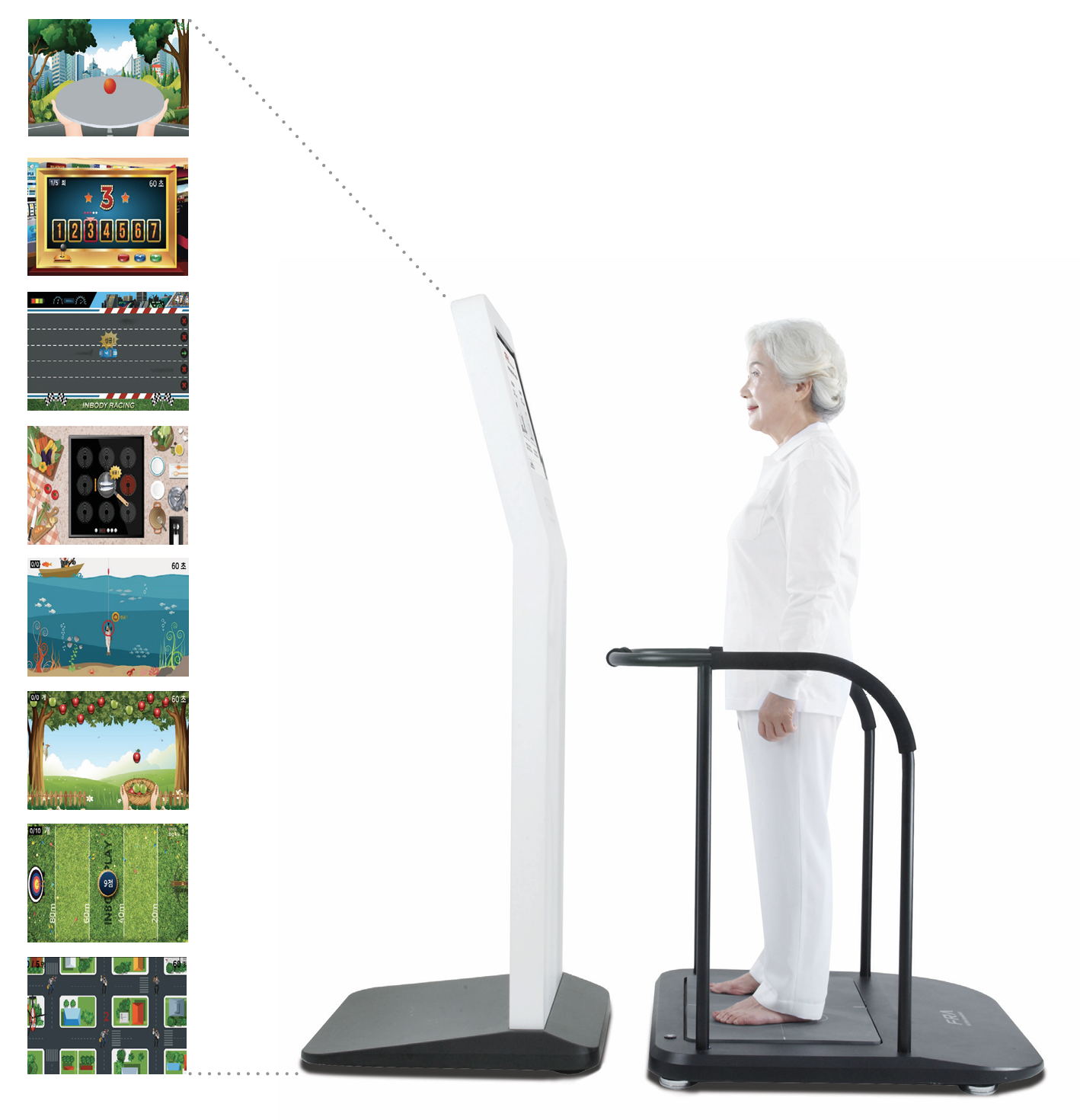
The FRA510S not only evaluates balance capability but also provides balance exercises designed around different fall risk factors identified through the assessment.
By combining balance assessment with targeted exercises, healthcare professionals can use the results to guide intervention, monitor progress and support continuous patient management.
Looking Beyond Balance: Combining FRA510S with InBody
Fall risk is not only influenced by how well an individual maintains balance. Muscle mass and muscle distribution can also play an important role in supporting movement, stability and physical function.
This is where combining the FRA510S with InBody body composition analysis can provide a broader perspective.
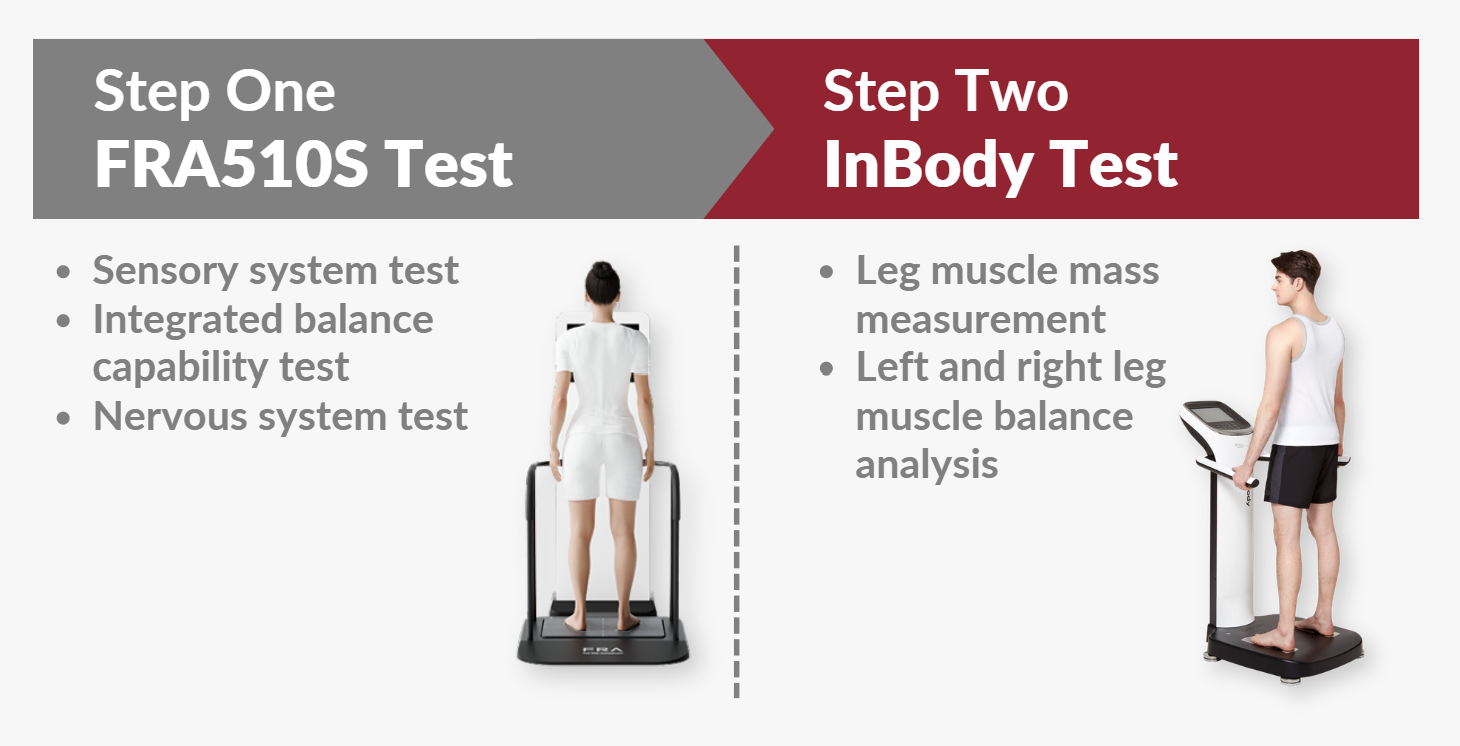
While the FRA510S evaluates factors related to balance, including the sensory system, nervous system and integrated balance capability, InBody can provide additional information about the individual’s muscle mass and segmental muscle distribution.
For example, InBody analysis can help healthcare professionals assess leg muscle mass and identify differences in muscle distribution between the left and right sides of the body. When considered alongside FRA510S balance results, this information can provide additional context when evaluating factors that may influence an individual’s mobility and stability.
Rather than looking at balance or muscle condition independently, using both assessments allows healthcare professionals to build a more comprehensive picture:
- FRA510S: How effectively can the individual sense, respond and control their balance?
- InBody: Does the individual have sufficient muscle mass, and is muscle distribution balanced between the left and right sides?
Together, these assessments can support a more comprehensive approach to fall risk assessment, intervention planning and progress monitoring.
Conclusion: A Comprehensive Approach to Fall Risk Assessment
Falls are rarely caused by a single factor.
Balance depends on the body’s ability to receive sensory information, process that information, respond appropriately and control movement. Changes in any of these areas may influence an individual’s ability to maintain stability.
This is why a comprehensive approach to balance assessment can provide greater insight than looking at a single measurement alone.
By evaluating the sensory system, nervous system and integrated balance capability, the InBody FRA510S helps healthcare professionals gain a broader understanding of the factors that may affect balance ability.
With assessment, targeted exercises and ongoing monitoring, healthcare professionals can move beyond simply identifying balance difficulties towards a more comprehensive approach to fall risk assessment and balance management.