


When it comes to children’s growth, height and weight are usually the first things that come to mind for most parents and healthcare professionals. These measurements are important as basic indicators of growth, but they do not always reflect the full picture of a child’s overall health and development. Relying solely on these numbers can sometimes be misleading, as they do not show what is happening beneath the surface of the body.
For example, a child may fall within a “normal” weight range but still have a higher proportion of body fat or lower muscle mass than expected. On the other hand, a child who appears smaller or lighter may actually have healthy muscle development and good nutritional status.
These differences highlight that growth is not only about size, but also about body composition and how the body is developing internally. This is why looking beyond the scale is becoming increasingly important when assessing children’s growth and long-term health.

Childhood Nutrition Concerns in Malaysia
In Malaysia, child nutrition remains a growing concern, with a mix of undernutrition and overnutrition happening at the same time.
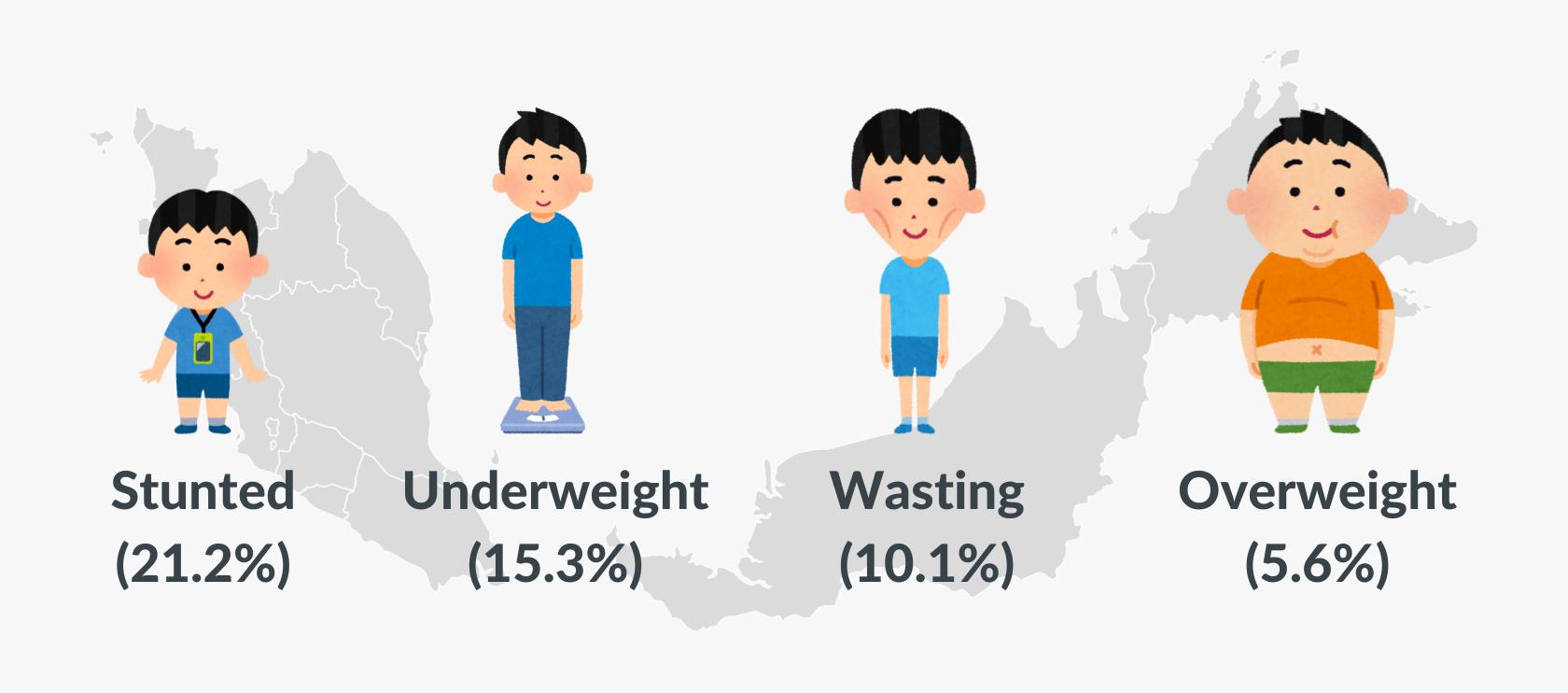
According to the National Health and Morbidity Survey (NHMS) 2019, 15.0% of children aged 5 to 17 years old were overweight and 14.8% were obese. In addition, findings from the National Health and Morbidity Survey (NHMS) 2022 highlighted that among children under five years old, 21.2% were stunted, 15.3% were underweight, and 10.1% experienced wasting, while 5.6% were classified as overweight.
This shows that children’s growth is not just about being “bigger” or “smaller” but about being properly nourished and balanced.
Why Early Monitoring Matters
Childhood is a period of rapid growth, and the developments that occur during these years can have a lasting impact on health in adolescence and adulthood.
Early monitoring plays an important role in:
- Identifying growth issues before they become serious
- Detecting risks of both undernutrition and overnutrition
- Evaluating whether nutrition and lifestyle changes are effective
- Supporting healthier long-term development
In short, earlier awareness leads to earlier action, which can make a meaningful difference in a child’s overall growth trajectory.
Looking Beyond Height and Weight: Measure Body Composition with InBody
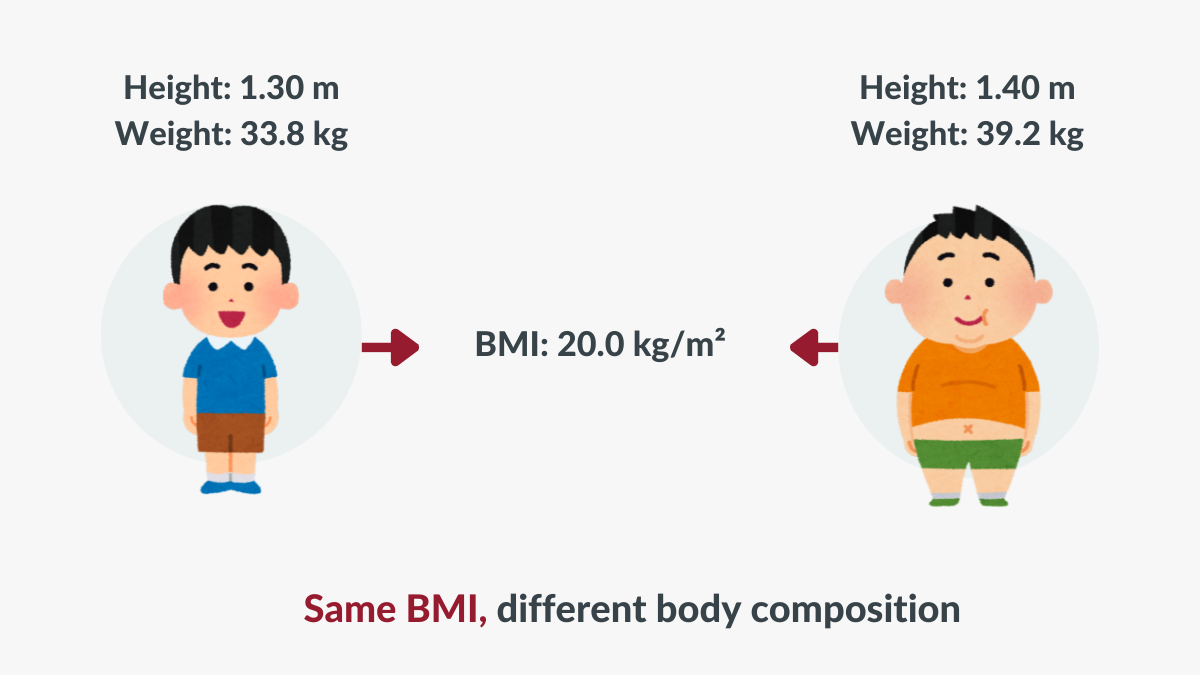
Although body weight and Body Mass Index (BMI) are widely used as basic indicators of growth, nutritional status and weight status, they have their limitations when it comes to assessing a child’s true body composition. BMI, in particular, is calculated using only height and weight and does not differentiate between fat mass and lean muscle mass. This means that two children with the same BMI value may have very different body composition profiles—one may have a higher proportion of muscle mass, while the other may carry more body fat.
As a result, relying solely on BMI can sometimes conceal underlying health or nutritional issues. For example, a child with a “normal” BMI may still have low muscle mass or excess body fat, both of which can be associated with different health risks and developmental concerns. Therefore, a more detailed assessment is often needed to better understand a child’s growth pattern, body composition, and overall health status.
This is where body composition analysis, such as InBody, becomes valuable. It provides a clearer and more detailed picture by assessing:
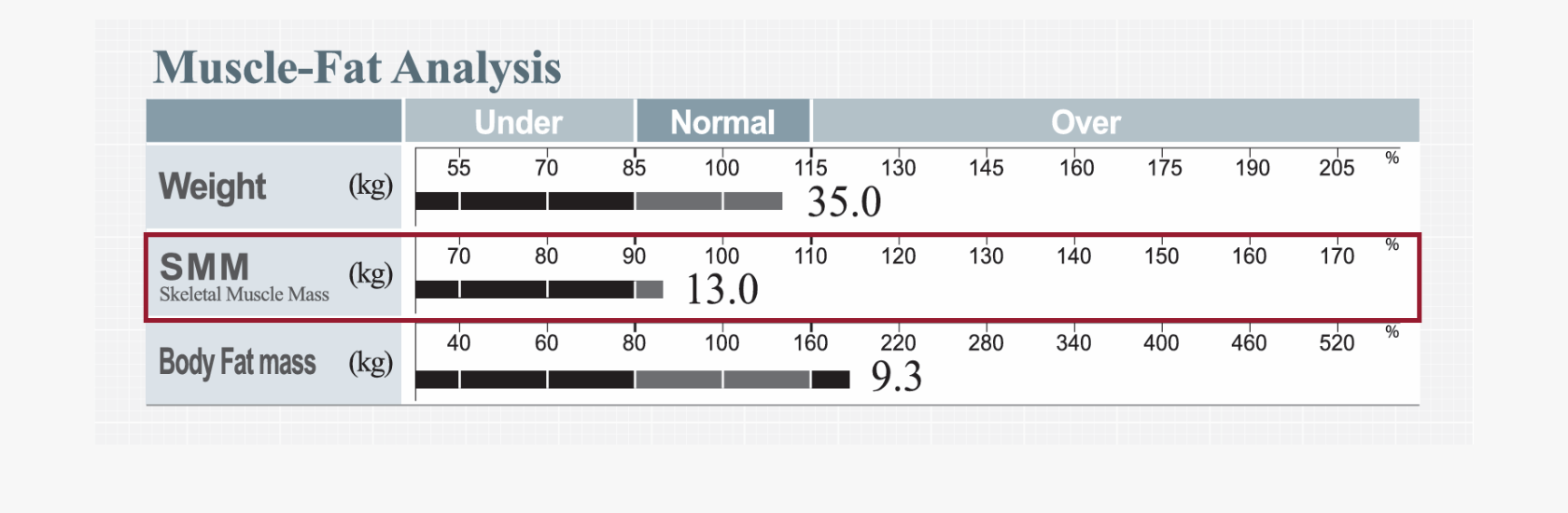
Skeletal Muscle Mass (SMM)
Muscles play an essential role in movement, physical activity, posture, and overall growth during childhood. Adequate skeletal muscle development supports motor skills, bone strength, and a child’s ability to remain active in daily life. Monitoring skeletal muscle mass helps provide a clearer understanding of whether a child is developing sufficient lean tissue as they grow, rather than relying solely on body weight.
Studies in pediatric growth and body composition have shown that lean mass is closely linked to physical performance, functional ability, and overall health in children, and that early patterns of muscle development may influence long-term health outcomes later in life.
 Body Fat Mass (BFM)
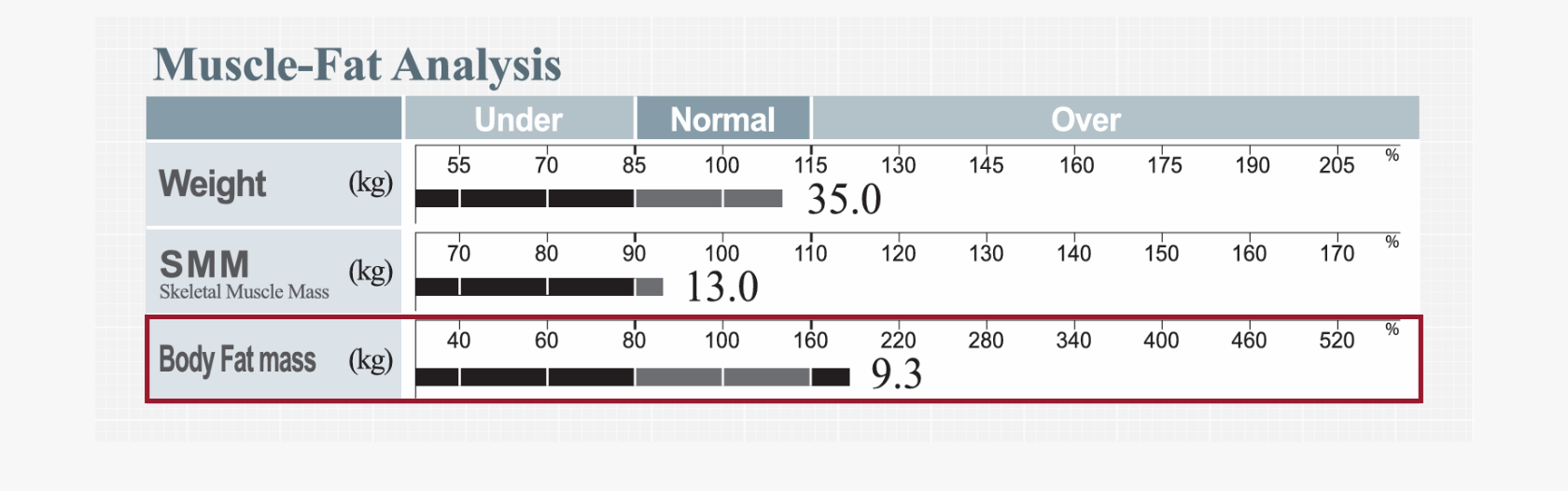
Body fat is a normal and essential component of the human body, playing important roles in energy storage, hormone regulation, and overall growth and development in children. However, maintaining an appropriate balance is key, as both insufficient and excessive body fat can have negative effects on health.
Low body fat levels may be associated with inadequate energy intake or undernutrition, which can impact growth and development, while excessive fat accumulation may increase the risk of metabolic and cardiovascular concerns later in life. Monitoring body fat mass therefore helps provide a clearer understanding of a child’s nutritional status and supports early identification of potential health-related concerns.
 Growth Graphs
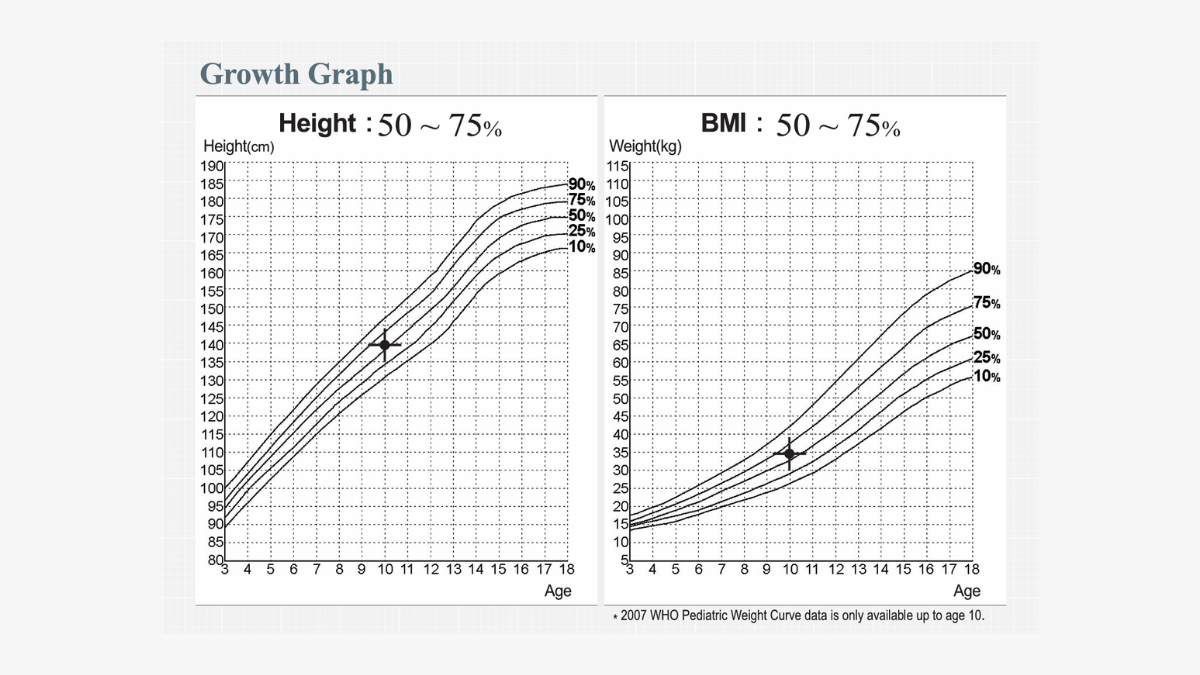
Growth graphs allow for an easy visual understanding of how a child’s growth changes over time. Instead of focusing on a single measurement at one point, these graphs track trends across multiple assessments, making it easier to identify steady growth, sudden changes, or potential delays.
The data is usually plotted against age-appropriate reference ranges, allowing comparison with expected developmental standards. In addition to height and weight trends, growth charts can also reflect changes in body composition indicators, offering a more complete view of physical development. This makes it easier for parents and healthcare professionals to monitor long-term progress and make informed decisions regarding a child’s growth and well-being.
 Growth Score
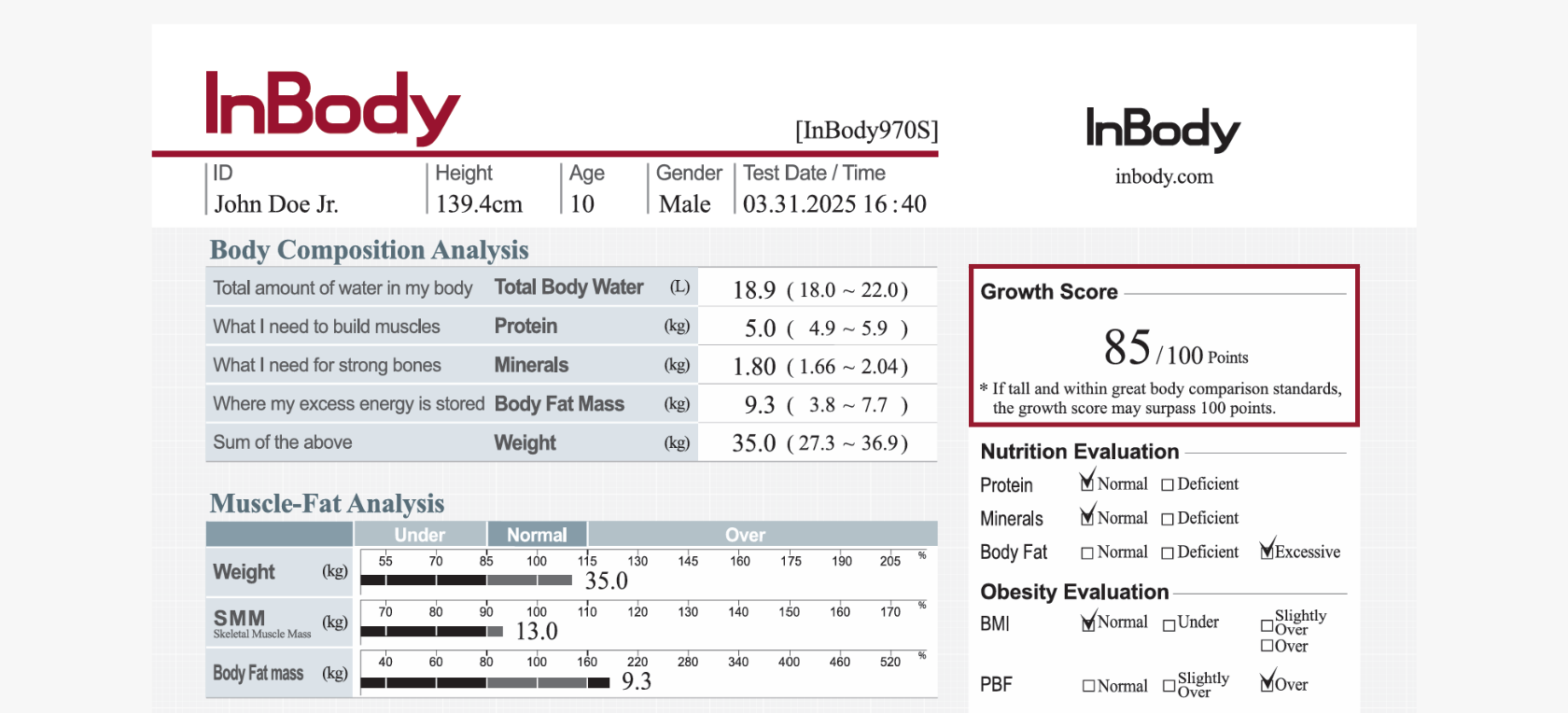
The growth score provides a simplified overview of a child’s development by combining body size and body composition into a single indicator. This makes it easier to understand overall growth status and whether a child is developing appropriately for their age. A higher score may indicate that both body size and body composition are balance, suggesting healthier growth and development. This summary helps parents and healthcare professionals quickly interpret growth patterns and make more informed decisions regarding a child’s health.
Building Health From the Start with InBody
InBody assessments can be performed for children aged 3 years and above, enabling body composition and growth to be monitored throughout early childhood. By providing insights into muscle mass, body fat, and growth patterns, InBody offers a more comprehensive view of a child’s development than weight and height measurements alone. Regular monitoring supports timely intervention and promotes healthy growth.
Conclusion
In conclusion, monitoring a child’s growth during early childhood is important for understanding their overall development, including muscle growth, body composition, and nutritional status.
These early years are a critical period where changes can provide valuable insight into long-term health and well-being. With tools like InBody, these aspects of growth can be assessed more comprehensively from as young as 3 years old, supporting parents and healthcare professionals in guiding healthier development.