


Healthy Ageing in Malaysia: Are We Truly Ageing Well?
Every year, Healthy Ageing Month reminds us that longevity should not be measured by the number of years we live, but by how well we continue to live those years.
Malaysia is becoming an ageing nation. As life expectancy increases and the older adult population continues to grow, maintaining health, mobility, and independence has become one of the country’s greatest healthcare priorities. However, recent findings from the National Health and Morbidity Survey (NHMS) 2025 reveal an important reality: only 14.7% of older Malaysians are considered to be ageing well.
But perhaps even more concerning is that the prevalence of healthy ageing decreases significantly with age.
- 18.0% among adults aged 60–69 years
- 10.7% among adults aged 70–79 years
- 5.1% among adults aged 80 years and above
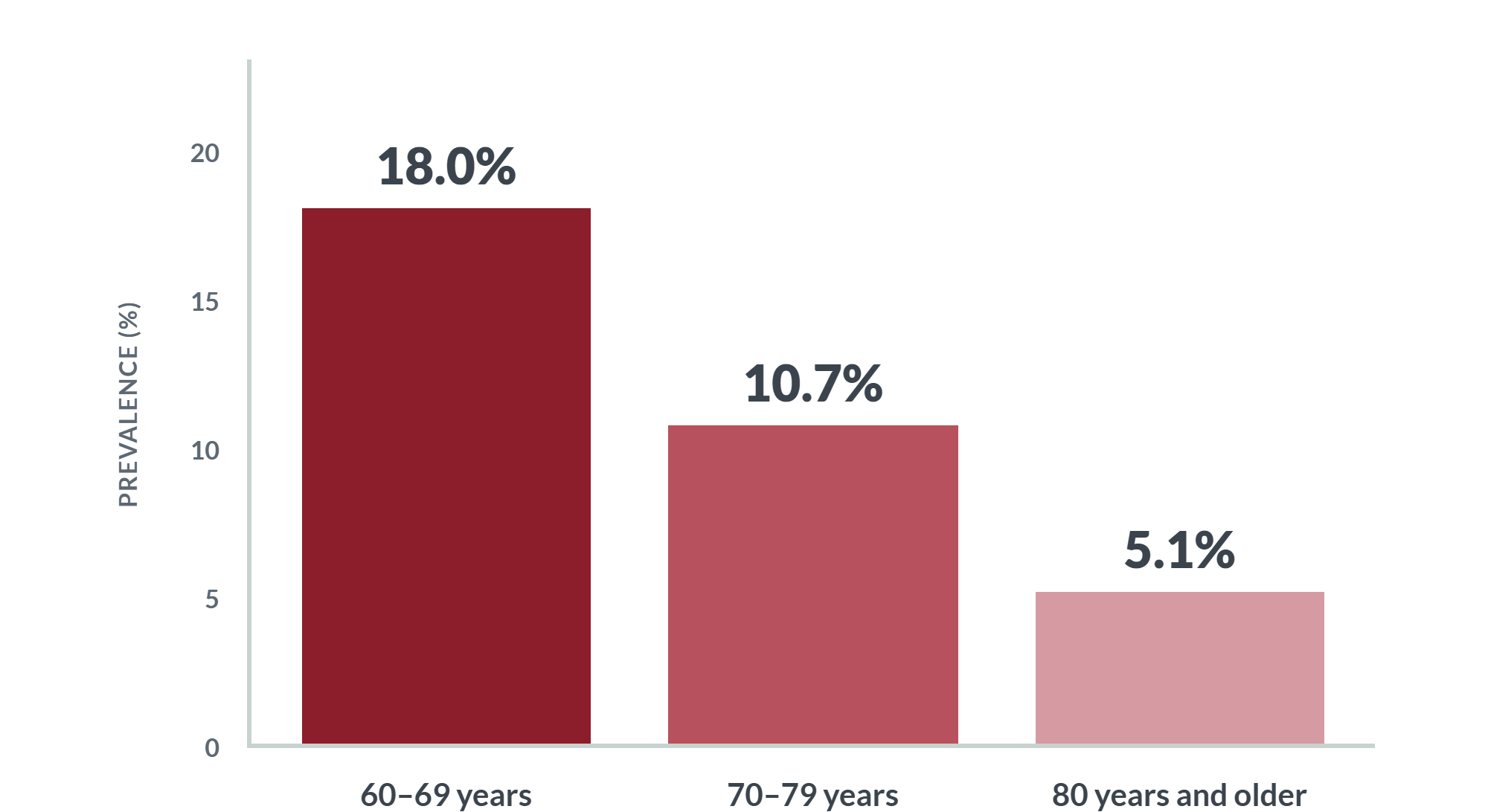
These statistics highlight an urgent need to shift our focus from simply treating diseases to proactively preserving health and function before decline occurs.
The question is no longer “How long will we live?” but rather “How well can we continue living?”
Why Body Composition Matters for Healthy Ageing
Preserving functional reserve is essential for healthy ageing.
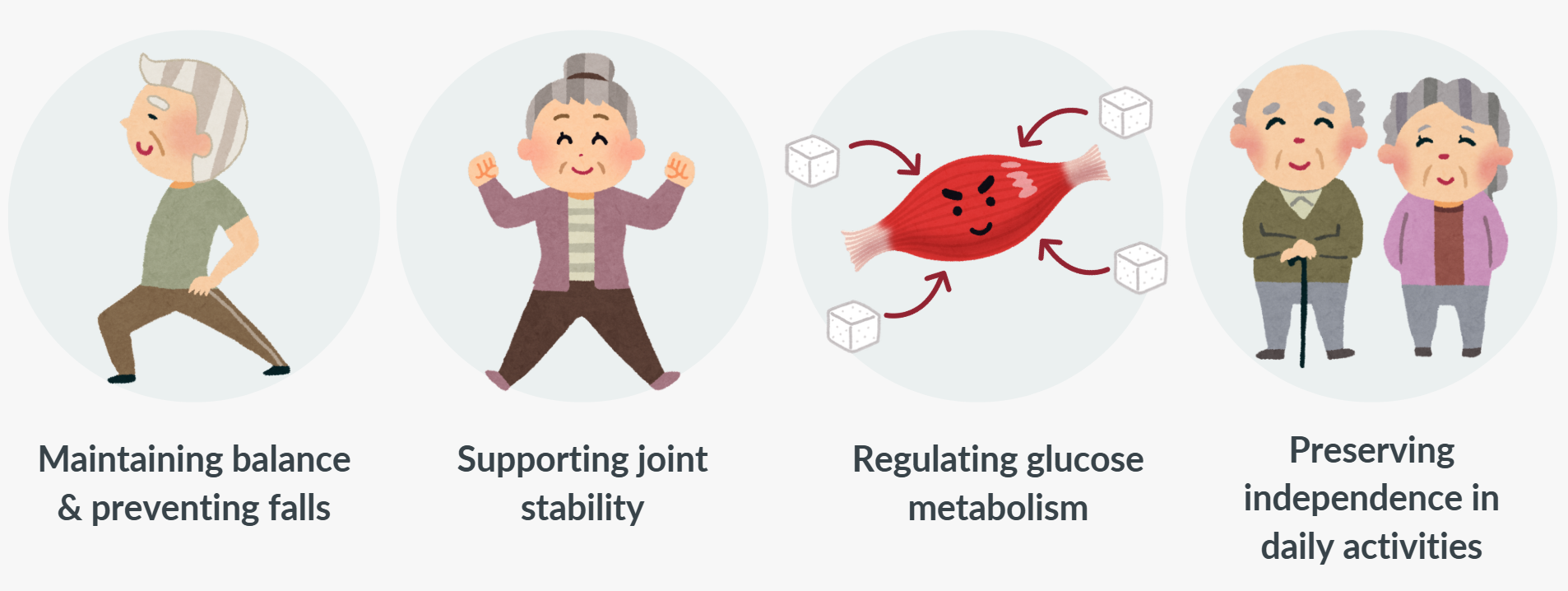
Muscles are not only responsible for movement. They also play critical roles in:
- Maintaining balance and preventing falls
- Supporting joint stability
- Regulating glucose metabolism
- Preserving independence in daily activities
At the same time, excessive body fat—particularly visceral fat—is associated with higher risks of cardiovascular disease, diabetes, metabolic syndrome, and chronic inflammation.
 This means healthy ageing is not simply about losing weight.
It is about maintaining the right balance of muscle, fat, and body water.
That balance can only be monitored through body composition analysis.
How InBody Supports Healthy Ageing
InBody provides healthcare professionals with objective body composition measurements that go far beyond body weight.
Instead of asking patients to simply “eat healthier” or “exercise more,” clinicians can use measurable data to identify health risks early, personalise interventions, and monitor progress over time.
1. Detecting Age Related Muscle Loss Early
One of the greatest threats to healthy ageing is sarcopenia, characterised by low muscle mass accompanied by low muscle strength. As people age, gradual muscle loss can affect mobility, physical function, independence, and overall quality of life. Identifying changes in muscle mass early can help support timely intervention before significant functional decline occurs.
Therefore, InBody provides several key measurements to assess muscle quantity and distribution:
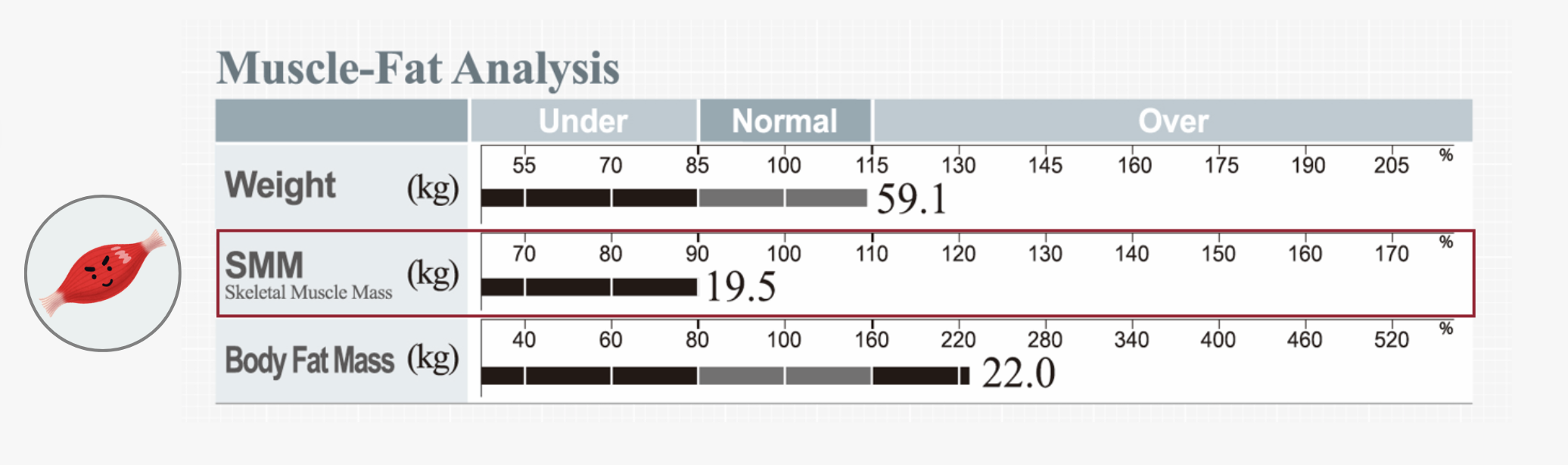
- Skeletal Muscle Mass (SMM): Measures the total amount of skeletal muscle in the body. Tracking SMM over time helps healthcare professionals monitor changes in muscle mass and identify potential age-related muscle loss.
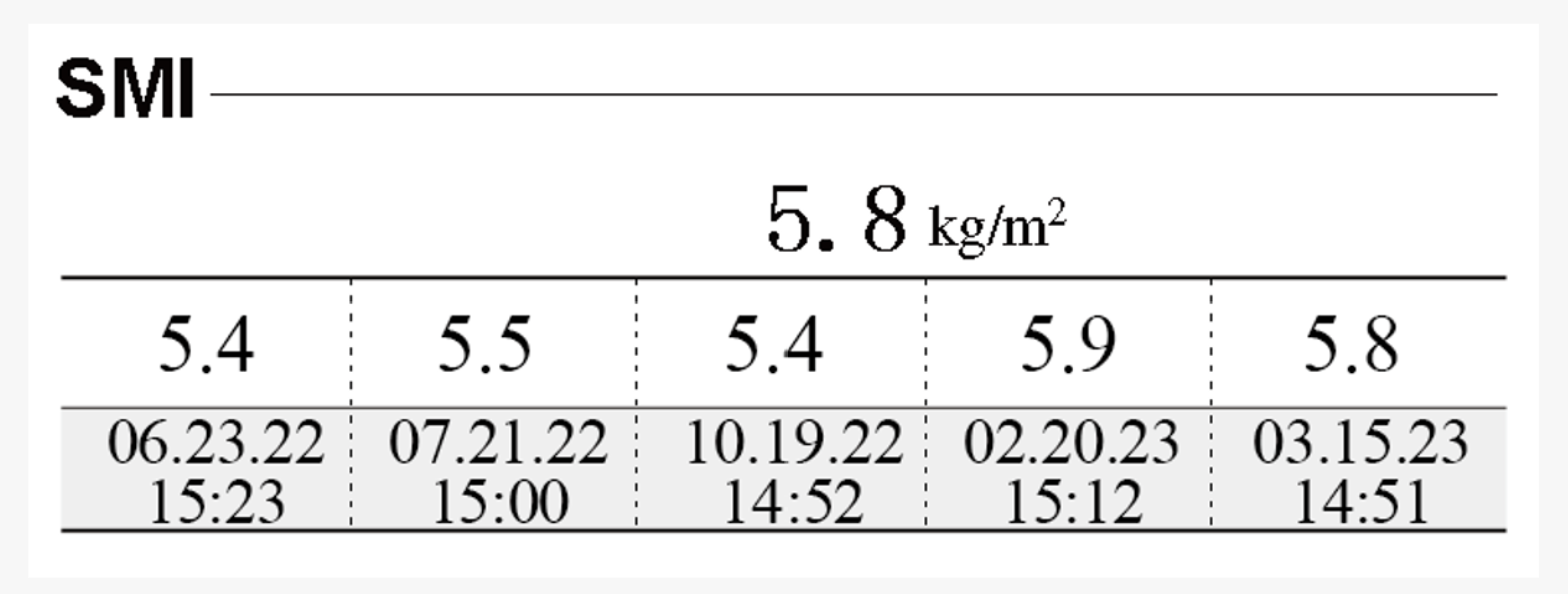
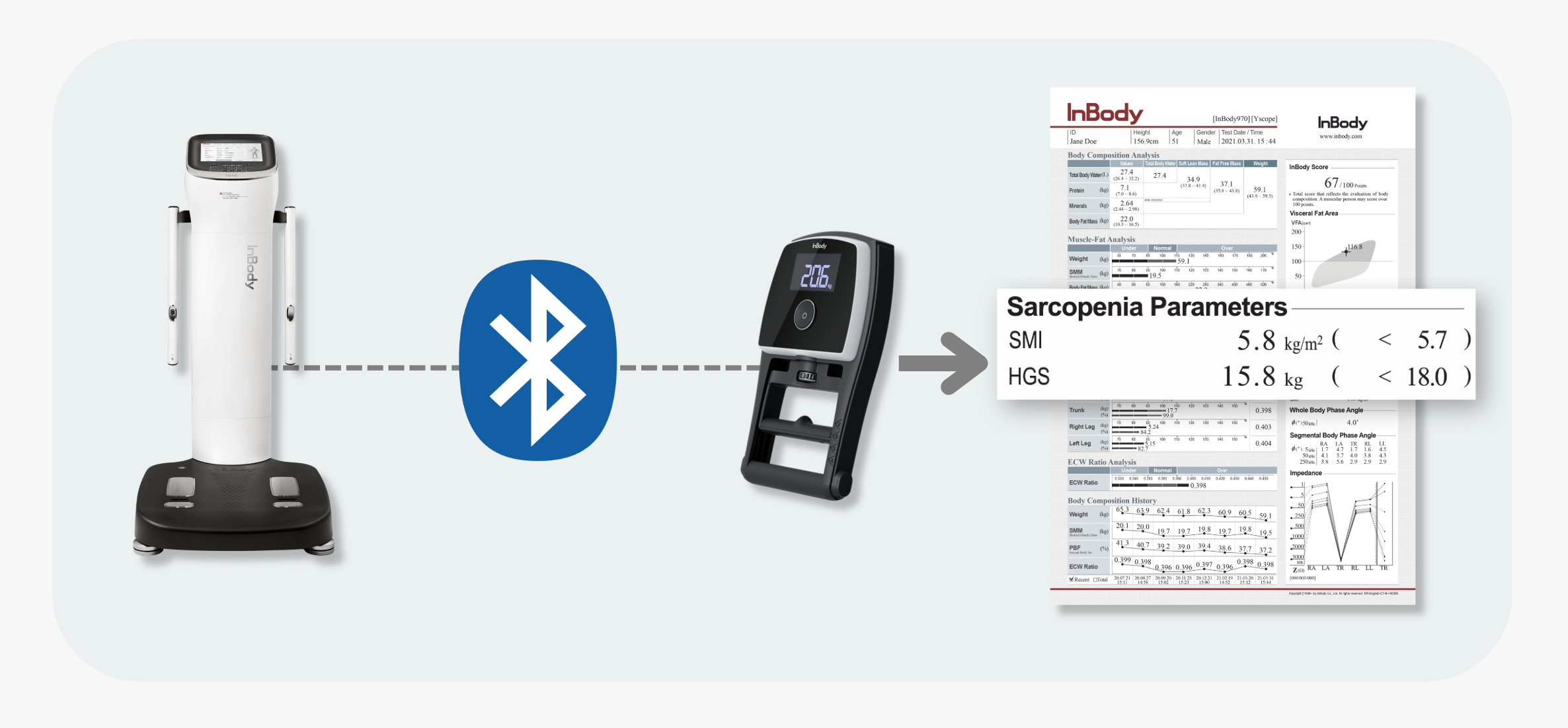
- Skeletal Muscle Mass Index (SMI): Expresses skeletal muscle mass relative to height, providing a standardised indicator of muscle mass. A low SMI indicates insufficient skeletal muscle mass and may support the identification of individuals at risk of sarcopenia.
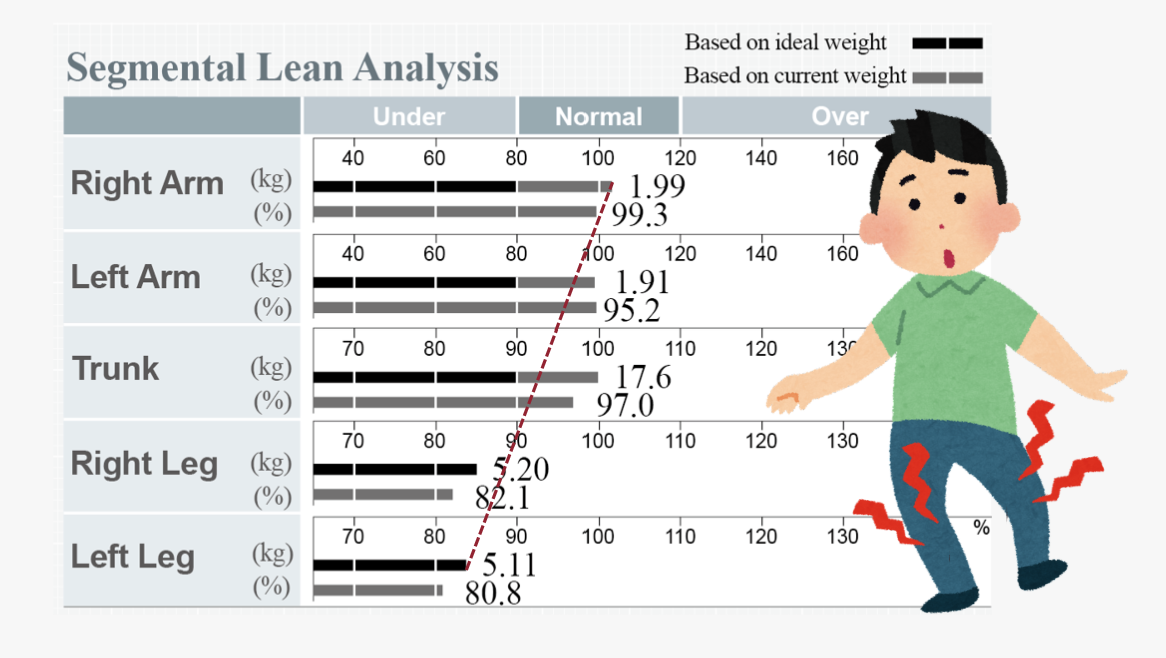
- Segmental Lean Analysis: Evaluates lean mass across different body segments, including the right arm, left arm, trunk, right leg, and left leg. This allows healthcare professionals to assess whether lean mass is adequately distributed throughout the body and identify areas of relatively low muscle mass or muscle imbalance, particularly in the lower limbs which play an important role in mobility and physical function.
2. Supporting Sarcopenia Screening with Muscle Strength Assessment
The 2025 Asian Working Group for Sarcopenia (AWGS 2025) Consensus emphasises that both muscle mass and muscle strength are important components in the assessment of sarcopenia.
When InBody Body Composition Analyzers are combined with InGrip Handgrip Strength Dynamometer, healthcare professionals can assess both muscle mass and muscle strength.
- Handgrip Strength (HGS): Measures the maximum force generated through handgrip, providing a practical assessment of muscle strength. Low HGS indicates reduced muscle strength and, when assessed alongside muscle mass, can support the diagnosis of individuals with sarcopenia.
3. Monitoring Cellular Health with Phase Angle
Healthy ageing is not only about maintaining muscle mass and reducing body fat. It also depends on preserving healthy, functioning cells throughout the body.
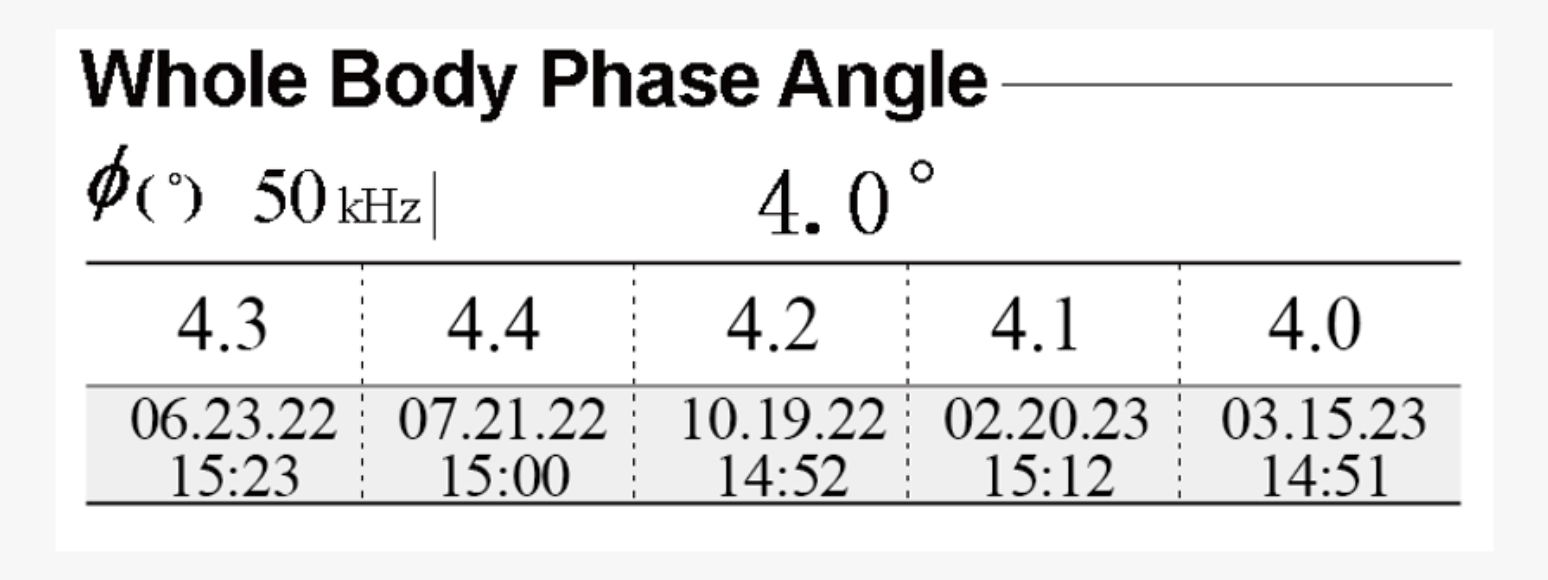
One of the advanced parameters now available across all InBody S-Series models is Phase Angle, a bioelectrical impedance-derived measurement that reflects cell health and nutritional status.
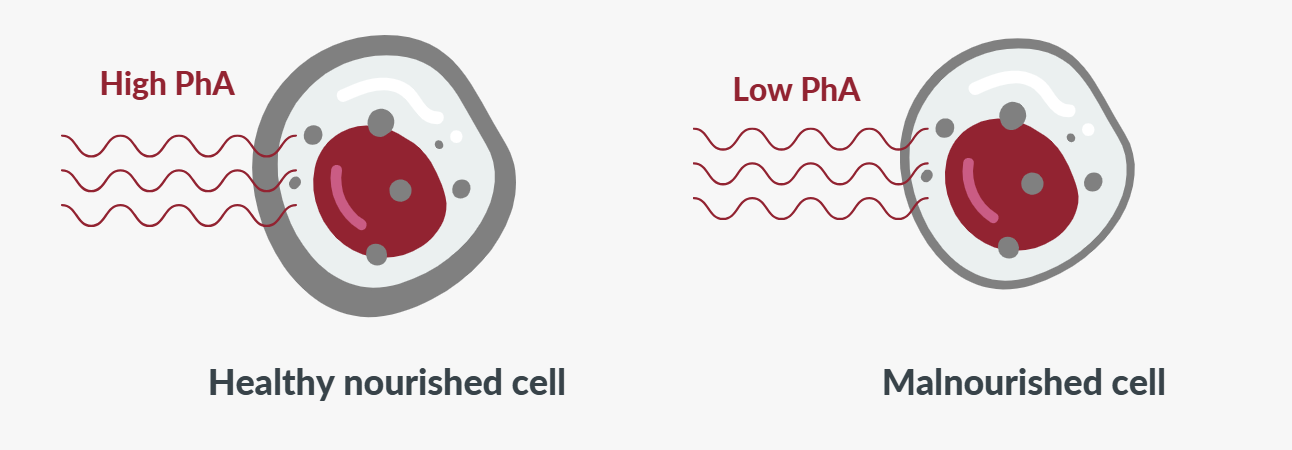
In general, a higher Phase Angle indicates healthier cell membranes and better cellular function, suggesting greater physiological resilience and overall health. Conversely, a lower Phase Angle may indicate compromised cell membrane integrity, reduced cellular function, inflammation or malnutrition.
By monitoring Phase Angle over time, healthcare professionals can:
- Evaluate cellular health and physiological resilience
- Monitor changes associated with ageing, illness, or recovery
- Assess the effectiveness of nutrition, exercise, and rehabilitation interventions
- Support early identification of individuals who may be at greater risk of functional decline or frailty
As Phase Angle is now available across all InBody S-Series models, healthcare professionals can incorporate this clinically valuable parameter into routine body composition assessments, providing a more comprehensive picture of healthy ageing beyond muscle mass and body fat alone.
Healthy Ageing Begins with Better Measurement
The NHMS 2025 findings remind us that healthy ageing is about much more than simply living longer.
Only a small proportion of older Malaysians currently meet the criteria for healthy ageing, highlighting the need for earlier screening, preventive care, and proactive health management.
By measuring body composition, muscle health and cellular health, InBody empowers healthcare professionals with the insights needed to support healthier ageing across every stage of life.
Because the goal is not simply to extend lifespan.
It is to preserve strength, mobility, independence, and quality of life for as many years as possible.
Explore how InBody can support healthy ageing assessment. Contact us to learn more!