


When we talk about Type 2 diabetes, excess body fat, particularly visceral fat, is often one of the first risk factors that comes to mind.
Excess visceral fat stored around the abdominal organs is strongly associated with insulin resistance, a state in which cells become less sensitive to insulin and blood sugar regulation starts to falter. But fat is only part of the picture.
Skeletal muscle plays an essential role in glucose metabolism. Research has shown that low relative muscle mass is associated with increased insulin resistance and a greater likelihood of prediabetes.
This means that when assessing metabolic health, it is important to look beyond excess body fat and consider whether an individual has adequate muscle mass.
In conjunction with World Diabetes Day on 14 November, let’s explore the often-overlooked relationship between muscle mass and Type 2 diabetes, and why understanding both muscle and fat composition matters for metabolic health.

How Do Our Muscles Help Regulate Blood Sugar?
Most people associate muscles with movement, strength, and physical performance. However, skeletal muscle also plays a major role in regulating blood sugar levels.
In fact, skeletal muscle is responsible for approximately 70–80% of insulin-stimulated glucose uptake under normal physiological conditions.
But how does this work?
After we eat, carbohydrates are broken down into glucose, which enters the bloodstream. In response, the pancreas releases insulin, a hormone that helps glucose enter the body’s cells to be used or stored for energy.
Skeletal muscles are one of the main destinations for this glucose. They take up glucose from the bloodstream and either use it for energy or store it as glycogen for later use.
This process helps maintain healthy blood sugar levels after meals.
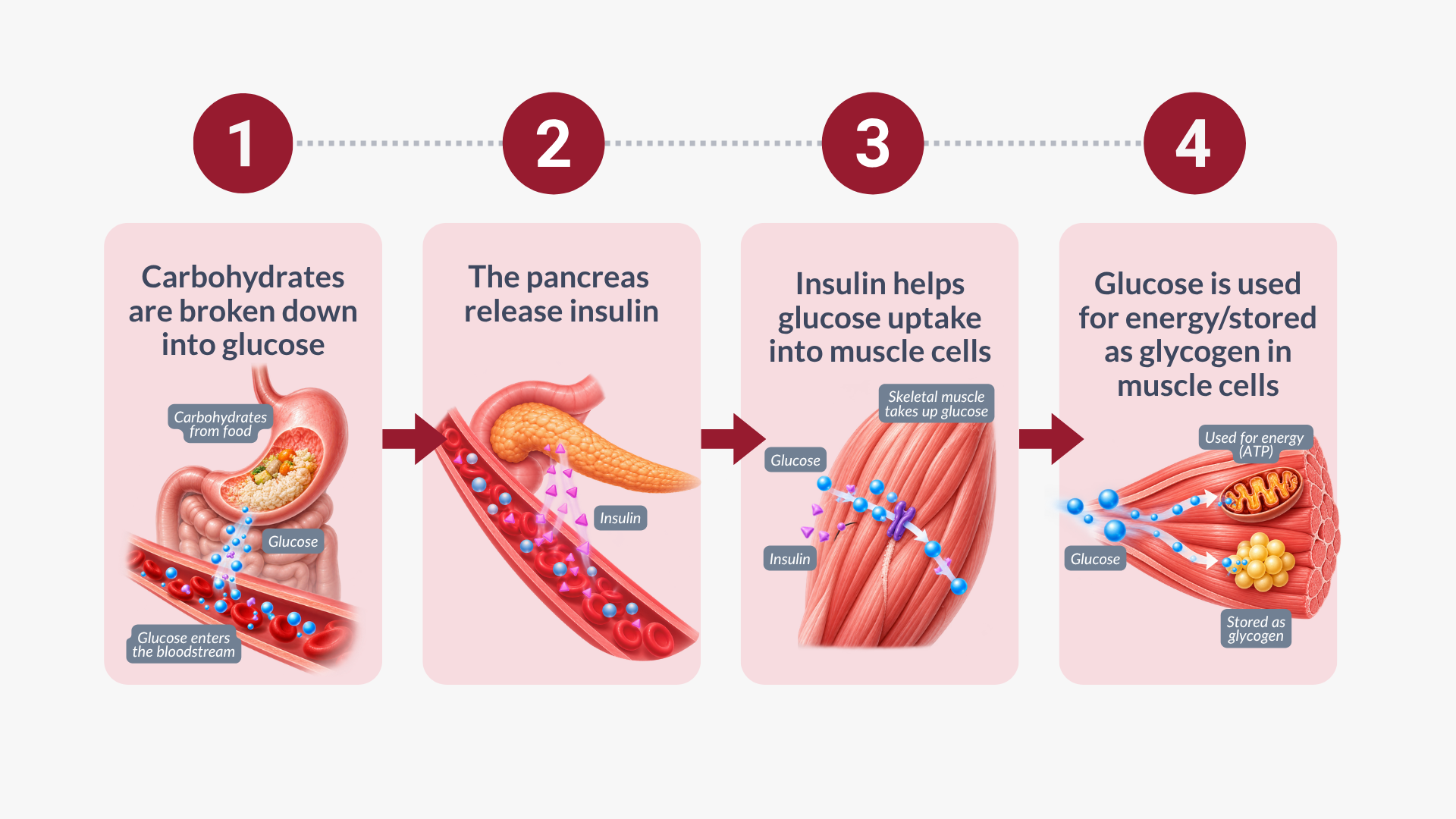 This is why healthy muscles are important not only for physical strength but also for maintaining healthy glucose metabolism.
How Is Low Muscle Mass Linked to Type 2 Diabetes?
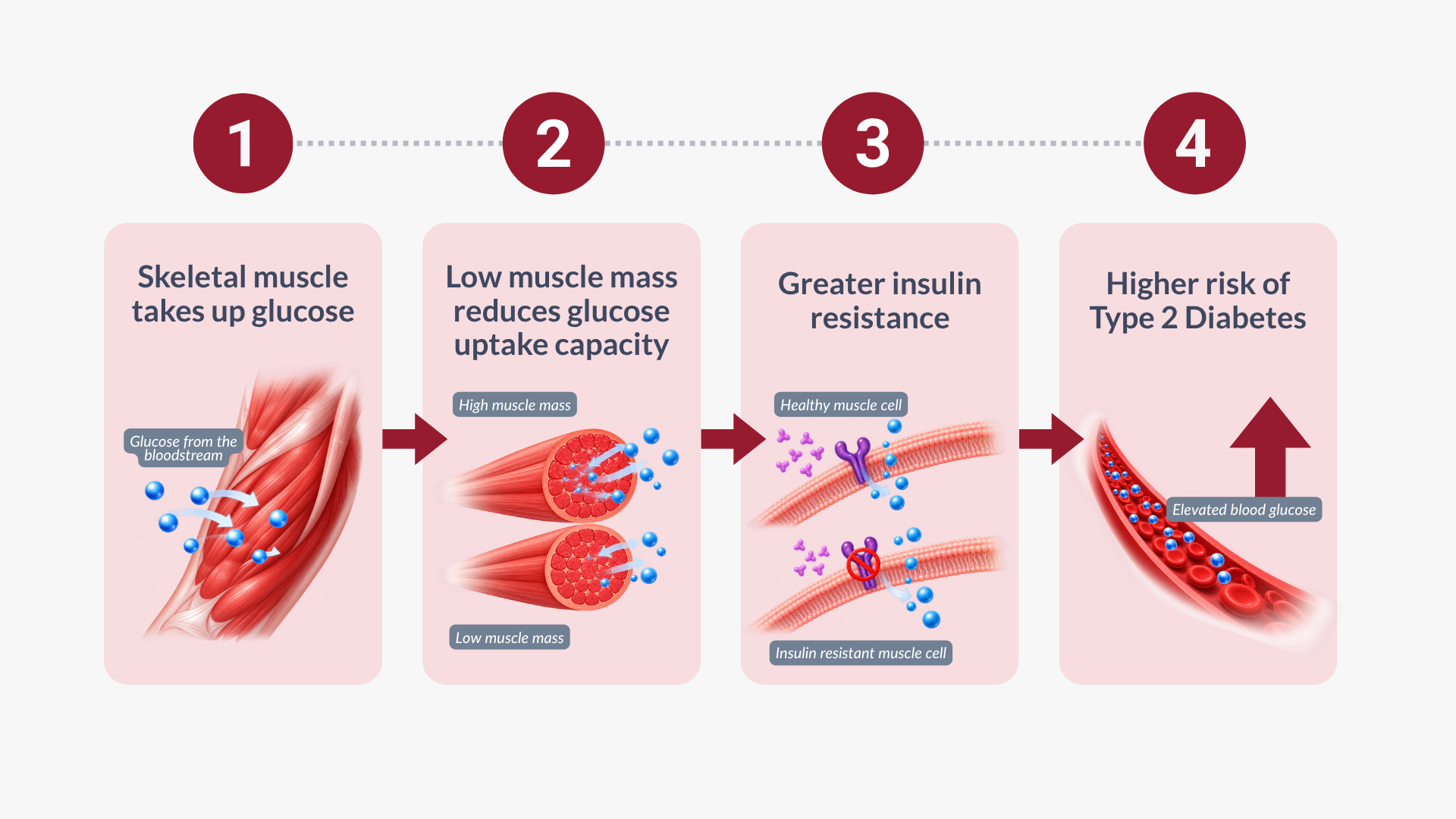
While excess body fat is a well-known risk factor for Type 2 diabetes, low muscle mass is another important factor that is often overlooked.
Since skeletal muscle is responsible for a large proportion of glucose uptake, having less muscle tissue may reduce the body’s overall capacity to absorb and store glucose from the bloodstream.
Additionally, studies have found that individuals with lower relative muscle mass tend to have greater insulin resistance, making it harder for their bodies to regulate blood sugar effectively.
The Two-Way Relationship Between Diabetes and Muscle Loss
But interestingly, the relationship works in both directions.
In individuals with Type 2 diabetes, insulin resistance, chronic inflammation, and poor blood sugar control can negatively affect muscle health, potentially contributing to muscle loss over time.
This can create a cycle where declining muscle health makes glucose regulation more challenging, while diabetes-related metabolic changes further affect muscle health.
Therefore, maintaining adequate muscle mass and strength is important not only for reducing metabolic risk but also for supporting long-term diabetes management.
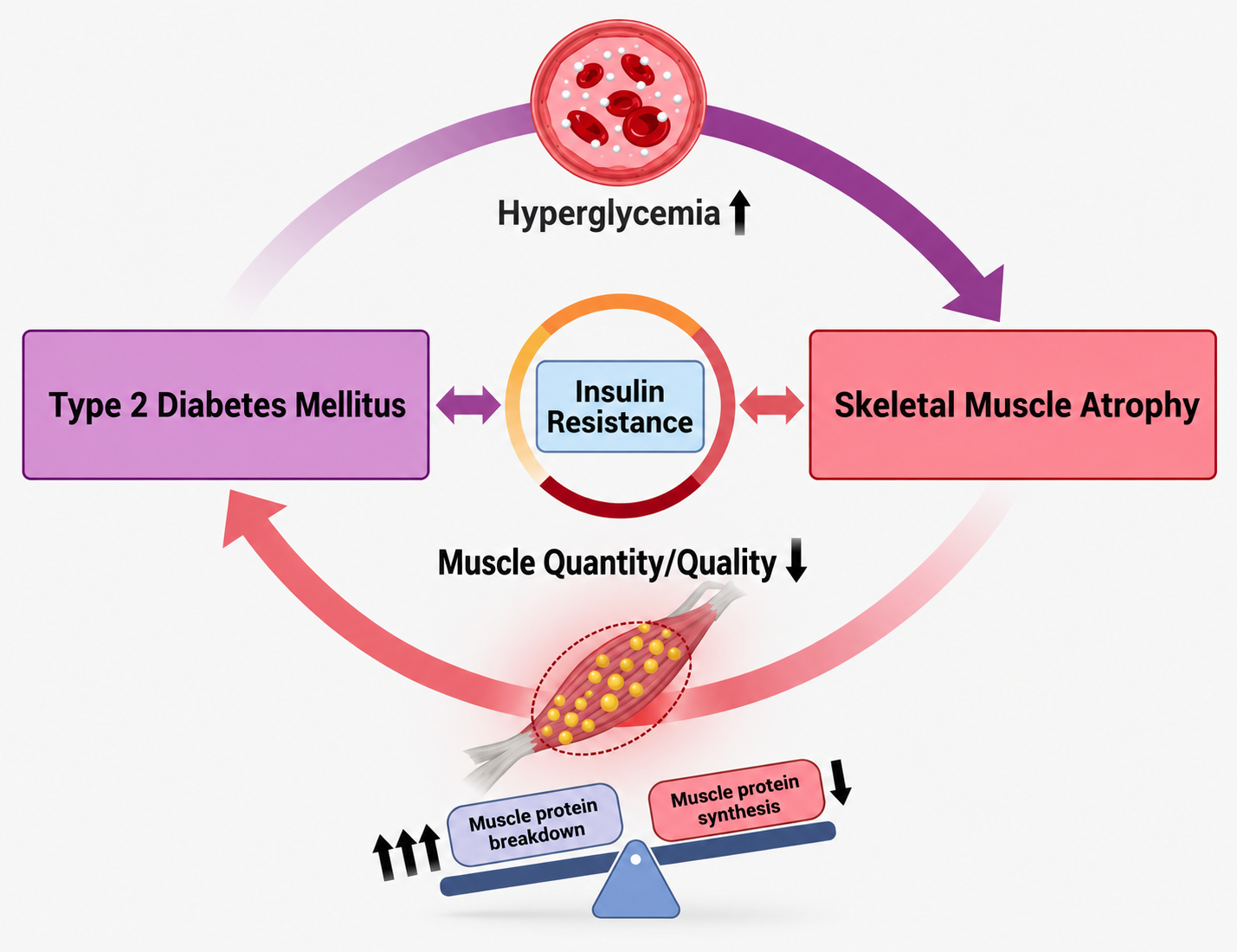 Source: Lopez-Pedrosa, J. M., Camprubi-Robles, M., Guzman-Rolo, G., Lopez-Gonzalez, A., Garcia-Almeida, J. M., Sanz-Paris, A., & Rueda, R. (2024). The vicious cycle of type 2 diabetes mellitus and skeletal muscle atrophy: Clinical, biochemical, and nutritional bases. Nutrients, 16(1), 172. https://doi.org/10.3390/nu16010172
How Can InBody Support Muscle and Metabolic Health Monitoring?
Understanding body composition provides valuable insights beyond conventional body weight and BMI measurements.
InBody body composition analyzers use Bioelectrical Impedance Analysis (BIA) to measure and analyse different components of the body, including muscle mass, body fat, and body water.
For individuals at risk of Type 2 diabetes or undergoing diabetes management, the following parameters can provide useful insights into muscle and metabolic health.
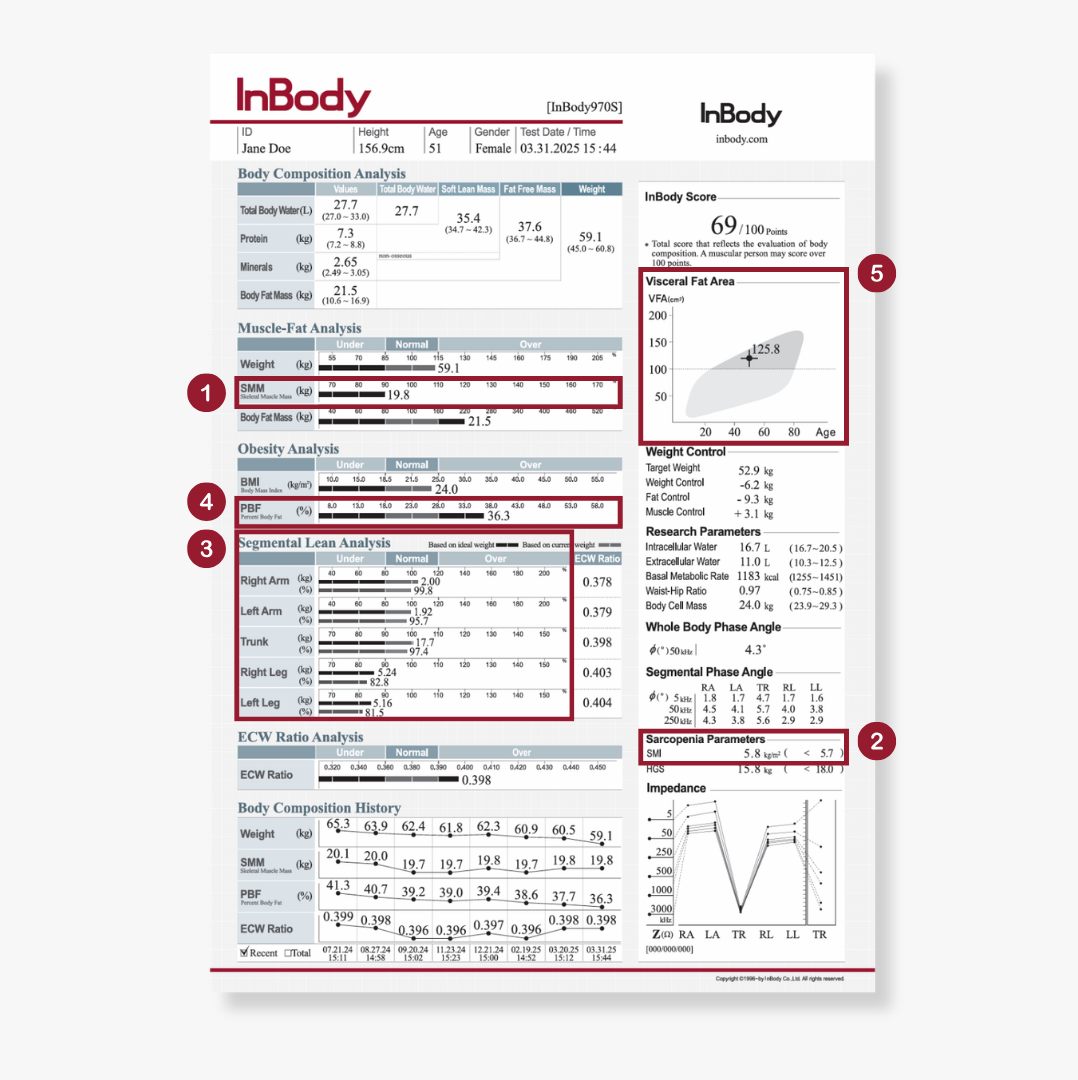 Skeletal Muscle Mass (SMM)
SMM represents the total weight of skeletal muscles in the body — the muscles responsible for movement, strength, and a significant proportion of glucose uptake.
Monitoring SMM helps healthcare professionals assess changes in muscle mass and evaluate muscle preservation during weight management, exercise, and nutritional interventions.
Skeletal Muscle Mass Index (SMI)
SMI measures appendicular lean mass (the lean mass in both arms and legs) relative to height squared (kg/m²).
It is an important indicator for identifying low muscle mass and supporting sarcopenia screening, particularly among older adults and individuals with Type 2 diabetes who may be at greater risk of muscle loss.
Segmental Lean Analysis (SLA)
Segmental Lean Analysis evaluates lean mass distribution across five body segments: the right arm, left arm, trunk, right leg, and left leg.
Lower-body muscles play an important role in glucose uptake and blood sugar regulation. Research has also shown that greater thigh muscle mass is associated with better insulin sensitivity and a lower risk of Type 2 diabetes in certain populations.
Monitoring Segmental Lean Analysis helps healthcare professionals assess lower-limb muscle status, identify muscle imbalances, and track changes during exercise, nutritional, and diabetes management interventions.
Percent Body Fat (PBF)
PBF represents the percentage of total body weight that consists of fat, providing a clearer understanding of body fat levels beyond body weight or BMI alone.
It helps healthcare professionals identify excess body fat, including in individuals with a normal BMI, and monitor fat reduction during weight management interventions.
Visceral Fat Area (VFA)
VFA measures the cross-sectional area of visceral fat surrounding the internal organs in the abdominal region, expressed in cm².
Unlike subcutaneous fat, which is stored beneath the skin, excess visceral fat is strongly associated with insulin resistance and increased cardiometabolic risk.
Monitoring VFA helps healthcare professionals assess abdominal fat accumulation and track changes during lifestyle and weight management interventions.
By monitoring both muscle and fat parameters over time, healthcare professionals can gain a more comprehensive understanding of body composition changes, supporting personalised interventions aimed at improving muscle health and managing metabolic risk.
💡It is important to note that InBody analysis does not diagnose Type 2 diabetes or directly measure insulin resistance. Blood glucose and HbA1c testing remain essential for diabetes screening and monitoring.
Conclusion: Diabetes Management Is Not Just About Reducing Fat
This World Diabetes Day, it is time to look beyond excess body fat when discussing Type 2 diabetes.
While excess visceral fat remains an important risk factor, low muscle mass is another aspect of metabolic health that should not be overlooked.
Skeletal muscle plays a major role in glucose regulation, and maintaining adequate muscle mass and strength can support insulin sensitivity, physical function, and long-term metabolic health.
By understanding both muscle and fat composition, healthcare professionals can gain additional insights to support more comprehensive weight management and diabetes care.